Cargo Handling Systems: The Ultimate Guide
Explore cargo handling systems, their types, benefits, and best practices. Learn how modern logistics operations optimize efficiency and safety in warehouse and port environments.
Cargo handling systems form the backbone of modern logistics operations, enabling businesses to move goods safely, efficiently, and cost-effectively across supply chains. Whether in warehouses, distribution centers, ports, or manufacturing facilities, these systems represent significant investments that directly impact operational performance, safety, and profitability. The evolution of cargo handling technology has transformed how organizations manage inventory and fulfill orders, with solutions ranging from traditional manual methods to sophisticated automated systems powered by artificial intelligence and real-time data analytics.
Understanding Cargo Handling Systems
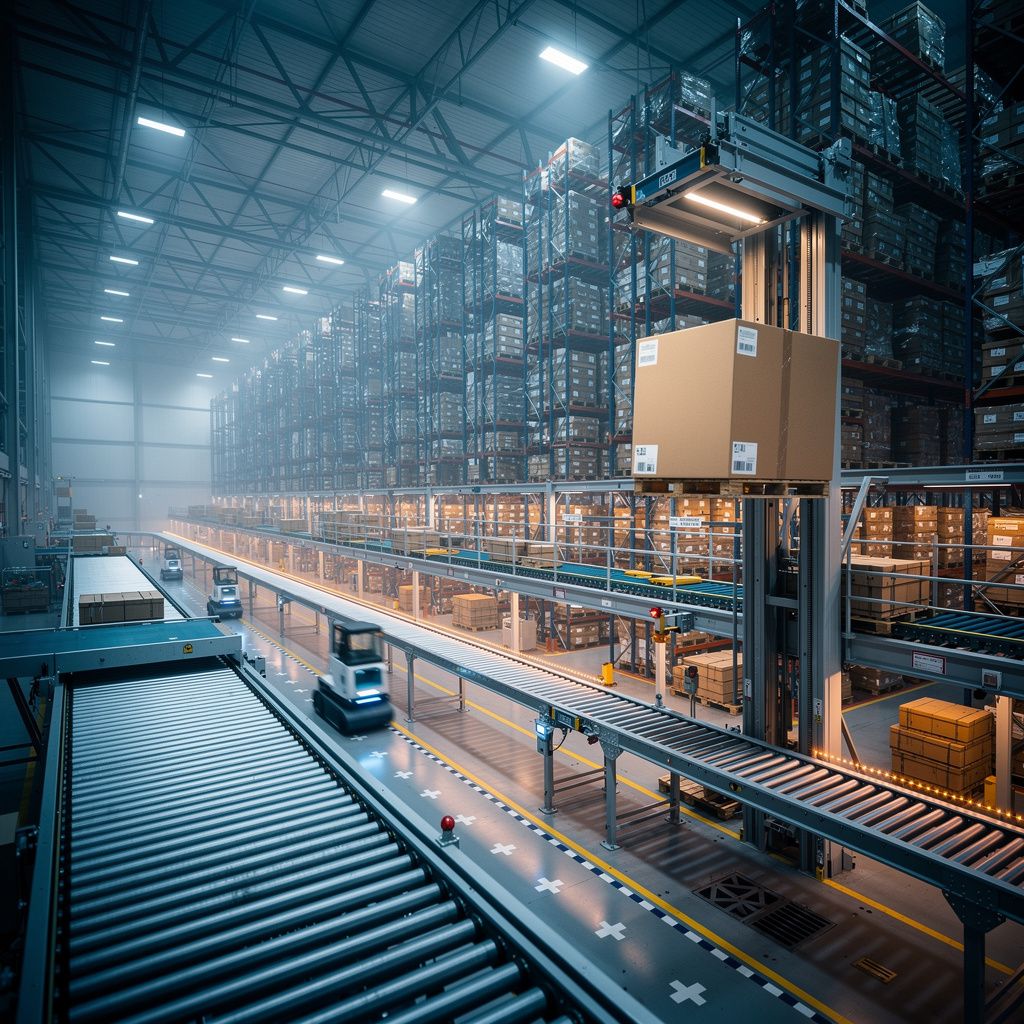
Cargo handling systems refer to the integrated combination of equipment, technology, and processes used to move, sort, store, and manage goods within a facility or across transportation networks. These systems are designed to reduce manual labor, minimize damage to products, improve accuracy, and enhance overall operational efficiency. Modern cargo handling encompasses everything from basic material handling equipment to complex automated warehousing solutions that operate with minimal human intervention.
The scope of cargo handling systems extends across multiple industries including retail, manufacturing, e-commerce, food and beverage, pharmaceuticals, and logistics service providers. Each sector has unique requirements based on product characteristics, volume, handling sensitivity, and regulatory compliance needs.
Benefits and Limitations of Cargo Handling Systems
Key Benefits
- Increased Efficiency: Automated systems reduce handling time and accelerate throughput, enabling facilities to process more cargo in less time.
- Enhanced Safety: Mechanized handling reduces worker injuries by minimizing manual lifting and repetitive strain injuries.
- Improved Accuracy: Digital tracking and automated sorting systems significantly reduce errors in order fulfillment and inventory management.
- Cost Reduction: While initial investment is substantial, long-term operational costs decrease through reduced labor requirements and fewer damaged goods.
- Scalability: Modern systems can be expanded or reconfigured to accommodate growth and changing business needs.
- Real-Time Visibility: Integrated software provides complete transparency into cargo location, status, and movement throughout the supply chain.
Limitations to Consider
- Capital Investment: Initial setup costs for automated systems can be substantial and require careful financial planning.
- Technical Complexity: Advanced systems require skilled personnel for operation, maintenance, and troubleshooting.
- Space Requirements: Some systems demand significant facility footprint, which may not be feasible for all locations.
- Flexibility Constraints: Highly specialized systems may struggle with handling diverse product types or unexpected changes in operations.
- Maintenance Demands: Complex equipment requires regular maintenance and access to specialized technical support.
Types of Cargo Handling Systems
Conveyor Systems
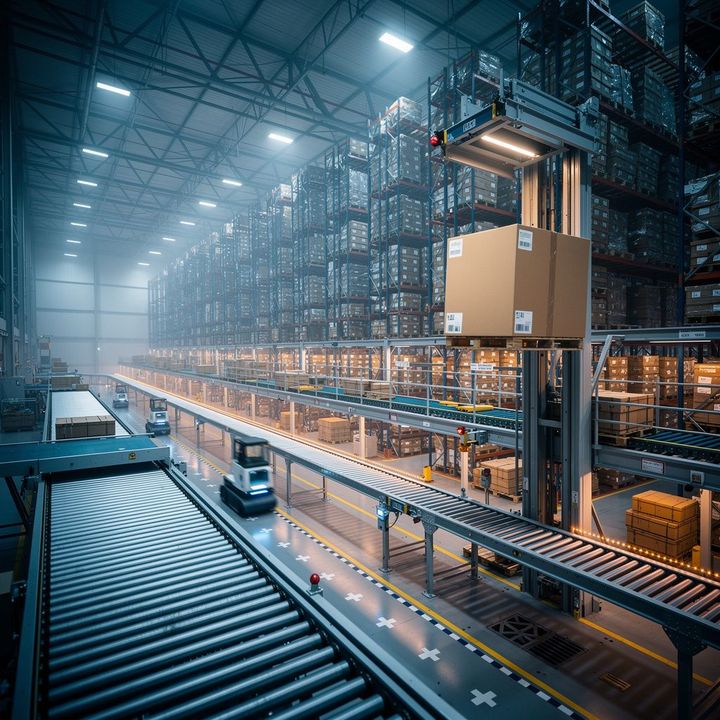
Conveyor systems are among the most common cargo handling solutions, using belts, rollers, or chains to move goods continuously along predetermined paths. These systems excel at high-volume, repetitive handling tasks and can be configured for horizontal, inclined, or curved movements. Conveyor systems range from simple belt conveyors to sophisticated sortation systems that automatically direct packages to specific destinations.
Automated Storage and Retrieval Systems (ASRS)
ASRS solutions use computer-controlled equipment to automatically store and retrieve items from high-density storage locations. These systems maximize vertical space utilization, reduce retrieval times, and maintain precise inventory records. ASRS technology is particularly valuable in facilities with limited floor space or high-velocity operations.
Cranes and Lifting Equipment
Overhead cranes, gantry cranes, and jib cranes provide flexible cargo handling for heavy loads, large items, and irregular shapes. These systems are essential in ports, manufacturing facilities, and construction environments where loads exceed conveyor capacity.
Automated Guided Vehicles (AGVs) and Autonomous Mobile Robots (AMRs)
These systems use mobile equipment to transport cargo within facilities without fixed infrastructure. AGVs follow predetermined paths, while AMRs navigate dynamically using advanced sensors and mapping technology. Both solutions offer flexibility for changing layouts and handling diverse cargo types.
Robotic Picking and Packing Systems
Collaborative robots and specialized picking systems automate the order fulfillment process, improving speed and accuracy while reducing worker fatigue. These systems can adapt to various product sizes and weights.
Current Trends in Cargo Handling
The cargo handling industry continues to evolve with several significant trends shaping the future of logistics operations. Automation adoption is accelerating as businesses seek competitive advantages and address labor shortages. Integration of artificial intelligence and machine learning enables predictive maintenance, optimized routing, and intelligent resource allocation. Sustainability initiatives are driving interest in energy-efficient systems and reduced carbon footprints. E-commerce growth demands increasingly sophisticated handling capabilities to manage higher volumes and faster delivery requirements. Additionally, supply chain visibility has become paramount, with real-time tracking and IoT sensors providing unprecedented transparency into cargo movement and condition.
Essential Features of Modern Cargo Handling Systems
| Feature | Description | Impact |
|---|---|---|
| Real-Time Tracking | GPS and RFID technology for continuous cargo location monitoring | Enhanced visibility and accountability |
| Automated Sorting | Computer-controlled systems that route cargo to correct destinations | Reduced errors and faster processing |
| Inventory Management Software | Integrated systems tracking stock levels and movements | Improved accuracy and reduced stockouts |
| Safety Features | Emergency stops, load sensors, and collision detection | Reduced accidents and worker injuries |
| Scalability Options | Modular design allowing system expansion | Long-term flexibility and growth accommodation |
| Integration Capabilities | Compatibility with existing warehouse management systems | Seamless operational workflow |
Leading Companies in Cargo Handling Solutions
The cargo handling systems market includes numerous established and emerging providers offering diverse solutions. Major equipment manufacturers provide conveyor systems, cranes, and material handling equipment. Automation specialists focus on ASRS, robotic systems, and advanced sorting solutions. Software providers deliver warehouse management systems, inventory tracking, and supply chain visibility platforms. Logistics service providers integrate multiple technologies to offer comprehensive handling solutions. When evaluating providers, consider their experience in your industry, technical support capabilities, track record with similar projects, and ability to customize solutions for your specific needs.
Selecting the Right Cargo Handling System
Assessment Checklist
- Analyze current and projected cargo volumes and types
- Evaluate facility layout and space constraints
- Determine budget parameters and expected ROI timeline
- Assess current staffing levels and skill availability
- Review integration requirements with existing systems
- Consider future scalability and flexibility needs
- Evaluate maintenance and support requirements
- Review safety and compliance standards for your industry
- Compare total cost of ownership across options
- Assess vendor reliability and support capabilities
Key Selection Criteria
Selecting an appropriate cargo handling system requires careful analysis of operational requirements, financial constraints, and strategic objectives. Begin by thoroughly documenting current processes, identifying bottlenecks, and projecting future needs. Consider the types of cargo being handled, including size, weight, fragility, and special handling requirements. Evaluate facility characteristics including floor space, ceiling height, and layout flexibility. Assess your organization's technical capabilities and willingness to invest in training and skill development. Compare total cost of ownership rather than focusing solely on initial purchase price, accounting for installation, training, maintenance, and operational expenses. Finally, ensure selected solutions align with your long-term business strategy and growth plans.
Best Practices for Implementation and Operation
Implementation Tips
- Phased Approach: Implement systems in stages rather than attempting complete transformation simultaneously, allowing teams to adapt gradually.
- Comprehensive Training: Invest in thorough operator and maintenance training to maximize system effectiveness and minimize downtime.
- Process Optimization: Review and optimize workflows before implementing new systems to avoid automating inefficient processes.
- Data Integration: Ensure seamless integration with existing management systems and establish clear data protocols.
- Change Management: Develop communication strategies to address workforce concerns and facilitate smooth transitions.
- Performance Monitoring: Establish metrics and monitoring systems to track system performance and identify improvement opportunities.
Maintenance and Optimization
Proper maintenance is essential for maximizing system lifespan and preventing costly downtime. Establish preventive maintenance schedules based on manufacturer recommendations and operational intensity. Train personnel on basic troubleshooting and routine care procedures. Monitor system performance metrics to identify trends indicating potential issues. Maintain detailed maintenance records to track service history and plan future needs. Periodically review operational data to identify optimization opportunities, such as adjusting conveyor speeds or rebalancing workloads across equipment.
Frequently Asked Questions
What is the typical lifespan of cargo handling equipment?
Most cargo handling equipment has a lifespan of 10-20 years depending on usage intensity, maintenance quality, and technological changes. Regular maintenance can extend equipment life, while rapid technological advances may make earlier replacement economically justified.
How much does a cargo handling system cost?
Costs vary dramatically based on system type and complexity. Basic conveyor systems may cost thousands of dollars, while comprehensive ASRS solutions can exceed millions. Evaluate total cost of ownership including installation, training, maintenance, and operational expenses over the system's lifetime.
Can existing systems be retrofitted with automation?
Many existing facilities can be retrofitted with automation solutions, though costs and complexity vary. Evaluate facility layout, electrical infrastructure, and structural capacity before planning retrofits. Sometimes phased approaches work better than complete overhauls.
What skills do operators need for modern cargo handling systems?
Modern systems require operators with basic computer literacy, ability to read and understand digital displays, and understanding of safety protocols. Comprehensive training programs should be provided for all operators and maintenance personnel.
How do cargo handling systems improve safety?
Automated systems reduce manual handling injuries, include safety features like emergency stops and load sensors, and minimize worker exposure to hazardous conditions. Proper training and maintenance are essential for maintaining safety benefits.
What is the ROI timeline for cargo handling investments?
ROI timelines typically range from 2-7 years depending on system type, operational volume, and labor cost savings. Higher-volume operations generally achieve faster returns. Conduct detailed financial analysis including labor savings, efficiency gains, and damage reduction.
Conclusion
Cargo handling systems represent critical infrastructure investments that directly impact operational efficiency, safety, and profitability. From traditional conveyor systems to advanced automated solutions powered by artificial intelligence, the range of available technologies offers options suitable for virtually any operation. Success requires careful assessment of current needs, thorough evaluation of available solutions, and strategic implementation supported by comprehensive training and ongoing optimization. As supply chains continue to evolve and competitive pressures increase, investing in appropriate cargo handling technology becomes increasingly important for business success. Organizations that thoughtfully select, implement, and maintain these systems position themselves to achieve significant competitive advantages in their markets.