Discover Luxury Apartment Rentals: A Complete Guide with Expert Tips and Advice
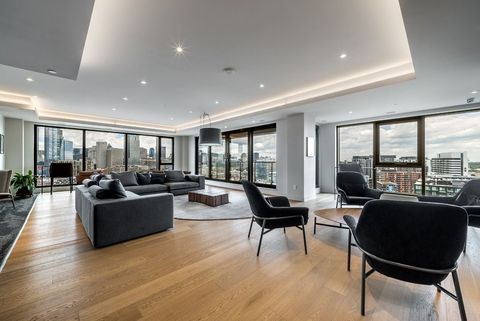
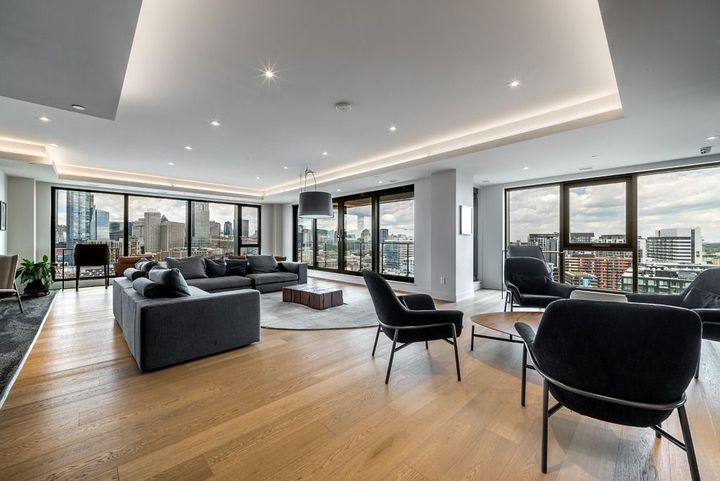
Luxury apartment rentals refer to high-end residential homes for lease that offer premium features, prime locations, and elevated quality of living. These homes typically exceed standard rental properties in size, finishes, and amenities such as fitness centres, concierge services, and smart-home features. The segment exists because many modern renters seek flexibility and comfort without long-term ownership.
The demand for premium rental housing has grown as homeownership becomes less accessible in major cities and as lifestyles shift toward mobility and convenience. Many professionals and families now prefer renting upscale apartments for the experience and services they provide.
Importance
Understanding luxury apartment rentals is essential for several groups:
-
Renters: They gain access to high-quality housing with superior amenities that enhance daily living and support modern needs such as remote work and wellness.
-
Property managers: Knowledge of this market helps them manage, maintain, and position properties effectively to meet tenant expectations.
-
Urban planners and developers: Luxury rentals influence city development, local economies, and housing affordability trends.
-
Investors: The segment often provides stable occupancy, consistent demand, and potential for long-term asset growth.
Luxury rentals address the need for premium urban living while offering a practical alternative to ownership. They also promote innovative building design, sustainability features, and improved community facilities that uplift overall housing standards.
Recent Updates and Trends
The luxury rental market has evolved considerably in the past few years, shaped by global housing trends, economic factors, and changing tenant preferences:
-
Steady global growth: The luxury rental market has expanded rapidly since 2023 and is projected to continue growing steadily through 2030 due to urban migration and rising incomes.
-
Lifestyle-driven demand: Wellness spaces, rooftop gardens, private cinemas, and pet-friendly zones are now standard expectations rather than extras.
-
Smart-home technology: Luxury apartments increasingly feature energy-efficient systems, integrated smart lighting, and digital concierge platforms.
-
Design and sustainability: Developers are incorporating eco-friendly materials, green roofs, and smart-energy management systems to meet sustainability goals.
-
India’s luxury market: Major cities such as Mumbai, Bengaluru, and Delhi have seen notable increases in demand for furnished luxury rentals, reflecting a broader national shift toward flexible premium living.
-
Shift in supply: In many urban centres, luxury rental properties are becoming more common as developers cater to affluent tenants preferring to rent rather than buy.
These developments show how luxury rentals are adapting to new expectations of convenience, technology, and sustainable living.
Laws or Policies
Laws and regulations play a major role in shaping the luxury rental housing market. While they differ by country and region, common aspects include:
-
Rent regulation: Some cities enforce limits on rent increases or security deposits, ensuring transparency in leasing agreements.
-
Building codes and safety: Luxury apartments must comply with building standards for fire safety, environmental protection, accessibility, and amenities management.
-
Taxation: Rental income is often taxable. Property owners must report rental income and can typically claim deductions for maintenance, property taxes, and related expenses.
-
Real estate regulation: In India, for example, the Real Estate (Regulation and Development) Act (RERA) mandates clear disclosure of property details, amenities, and timelines for completion—key to maintaining accountability in the luxury segment.
-
Local zoning: City zoning laws may define where high-rise or premium rental buildings can be located and may provide incentives for sustainable or community-focused projects.
Understanding the legal framework helps renters and property owners avoid disputes and ensures fair housing practices.
Tools and Resources
A range of tools and digital resources can simplify the process of researching, renting, or managing luxury apartments:
-
Rental listing platforms: Websites and mobile apps allow users to compare luxury apartments by location, amenities, and layout.
-
Rent-yield calculators: Help property owners or investors estimate rental returns based on property value, rent amount, and expenses.
-
Lease templates: Standardised agreement templates can clarify lease terms, amenity usage, and maintenance responsibilities.
-
Property-management software: Apps that let tenants schedule maintenance, pay rent online, or book shared amenities streamline operations in luxury complexes.
-
Market-insight reports: Industry publications and analytics platforms provide data on luxury rental trends, vacancy rates, and tenant preferences.
-
Smart-home evaluation checklists: Tools for assessing technology integration—such as automation, security systems, and energy efficiency—assist in comparing units.
These tools help both tenants and landlords make informed decisions and maintain smooth rental experiences.
Frequently Asked Questions
What qualifies an apartment as “luxury”?
A luxury apartment typically offers superior finishes, prime location, premium amenities, and design excellence. Features may include spacious layouts, advanced technology, concierge services, and exclusive community facilities.
How does the rent for luxury apartments compare to standard rentals?
Luxury apartment rents are generally higher due to superior construction, location, and amenities. However, tenants benefit from higher comfort, convenience, and lifestyle features that justify the premium.
Is renting a luxury apartment a good option for professionals?
Yes. For individuals who value flexibility, privacy, and convenience—such as business professionals or expatriates—renting a luxury apartment can be practical. It eliminates maintenance burdens and provides easy access to modern facilities.
What should I review before signing a luxury lease?
Check the lease duration, amenity access policies, maintenance responsibilities, deposit terms, and rules regarding pets or guests. Always verify the condition of appliances, furniture, and fixtures before moving in.
What affects rental yield in the luxury segment?
Rental yield depends on the rent received compared to property value. Luxury apartments often have lower percentage yields but higher absolute returns, especially in prime locations where tenant turnover is low.
Conclusion
Luxury apartment rentals combine comfort, design, and convenience to meet the expectations of modern urban living. They represent an important evolution in the housing market, catering to tenants who prioritise flexibility, technology, and a high-quality environment.
As cities expand and living standards rise, luxury rentals are becoming more accessible and diverse in their offerings. Renters benefit from enhanced amenities and services, while property owners can attract reliable tenants who value long-term satisfaction.
Understanding the legal framework, market dynamics, and emerging trends helps renters and investors navigate this growing sector wisely. By using available tools and maintaining awareness of new developments, one can ensure a balanced and informed approach to luxury apartment living.