Learn ERP Software Guide: Explore Core Concepts, Business Functions & Expert Insight
Explore core ERP concepts, business functions, and expert insights. Learn how enterprise resource planning systems streamline operations and drive organizational efficiency.
Enterprise Resource Planning (ERP) software represents one of the most transformative technologies in modern business operations. These integrated systems consolidate data and processes across an entire organization, enabling seamless communication between departments and creating a unified view of business operations. Understanding ERP systems is crucial for business leaders, IT professionals, and organizational decision-makers who need to optimize operations, improve efficiency, and drive strategic growth.

What is ERP Software and Why It Matters
ERP software serves as the backbone of modern enterprise operations by integrating all core business functions into a single, unified platform. Rather than maintaining separate systems for finance, human resources, inventory management, and customer relations, ERP systems create a centralized database that all departments can access and utilize. This integration eliminates data silos, reduces redundancy, and ensures that all stakeholders have access to consistent, real-time information.
The importance of ERP systems extends beyond mere data consolidation. These platforms enable organizations to standardize processes, improve compliance with regulatory requirements, and gain valuable insights into business performance through advanced reporting and analytics capabilities. By automating routine tasks and providing comprehensive visibility into operations, ERP systems free up resources for strategic initiatives and decision-making.
Benefits and Limitations of ERP Systems
ERP implementations offer substantial advantages for organizations of all sizes. The primary benefits include improved operational efficiency through process automation, enhanced data accuracy and consistency, better decision-making through real-time analytics, and reduced operational costs through elimination of redundant systems and processes. Additionally, ERP systems improve collaboration across departments, enhance customer service through better information access, and provide scalability as organizations grow.
However, organizations should also understand the limitations and challenges associated with ERP implementation. Initial deployment can be complex and time-consuming, requiring significant investment in both technology and training. Integration with legacy systems may present technical challenges, and organizations must carefully manage change management to ensure user adoption. The learning curve for new systems can impact productivity during the transition period, and ongoing maintenance and updates require dedicated IT resources.
Core ERP Business Functions
Modern ERP systems support a comprehensive range of business functions that work together to create an integrated operational environment:
- Financial Management: Handles accounting, general ledger, accounts payable and receivable, financial reporting, and budgeting processes
- Human Resources: Manages employee records, payroll, benefits administration, recruitment, and performance management
- Supply Chain Management: Oversees procurement, inventory management, order fulfillment, and logistics operations
- Manufacturing: Supports production planning, quality control, equipment maintenance, and shop floor management
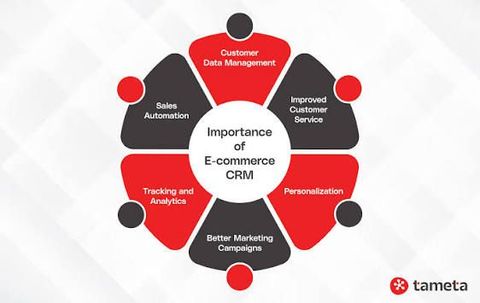
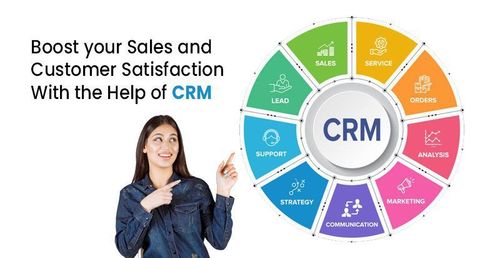
- Customer Relationship Management: Manages customer interactions, sales pipelines, marketing campaigns, and customer service
- Project Management: Tracks project timelines, resource allocation, budgeting, and deliverables
Types of ERP Systems
Organizations can choose from several ERP deployment models based on their specific needs and infrastructure capabilities:
| ERP Type | Characteristics | Best For |
|---|---|---|
| On-Premise | Installed locally, full control, higher upfront costs | Large enterprises with IT resources |
| Cloud-Based | Hosted remotely, scalable, lower initial investment | Growing companies, flexible operations |
| Hybrid | Combination of on-premise and cloud components | Organizations with mixed requirements |
| Industry-Specific | Tailored for specific sectors or industries | Specialized business needs |
Current Trends in ERP Technology
The ERP landscape continues to evolve with several significant trends shaping how organizations implement and utilize these systems:
Cloud Migration and SaaS Models
Organizations increasingly migrate from on-premise solutions to cloud-based ERP systems, benefiting from reduced infrastructure costs, automatic updates, and enhanced scalability. Software-as-a-Service (SaaS) models provide flexibility and allow organizations to pay for only the functionality they need.
Artificial Intelligence and Machine Learning Integration
Modern ERP systems incorporate AI and machine learning capabilities to enhance predictive analytics, automate complex processes, and provide intelligent insights for decision-making. These technologies help organizations identify patterns, forecast demand, and optimize resource allocation.
Mobile and Remote Accessibility
Contemporary ERP platforms offer mobile applications and remote access capabilities, enabling employees to access critical business information and perform essential tasks from anywhere. This flexibility supports modern work arrangements and improves operational continuity.
Real-Time Analytics and Business Intelligence
Advanced reporting and analytics capabilities provide organizations with real-time visibility into key performance indicators, enabling faster decision-making and more agile business operations.
Essential ERP Features and Capabilities
When evaluating ERP systems, organizations should consider these critical features:
- Comprehensive integration across all business functions
- Customization and configuration options for industry-specific needs
- Robust security and data protection mechanisms
- Scalability to support organizational growth
- User-friendly interface and intuitive navigation
- Advanced reporting and analytics tools
- Mobile accessibility and remote functionality
- Regular updates and continuous improvement
- Strong vendor support and training resources
- Integration capabilities with third-party applications
Leading ERP Platform Providers
The ERP market includes several major providers offering comprehensive solutions for different organizational sizes and requirements. Enterprise-level providers serve large organizations with complex operations and extensive customization needs. Mid-market providers focus on growing companies seeking scalable solutions with strong functionality. Specialized providers offer industry-specific solutions tailored to particular sectors such as manufacturing, retail, or healthcare. Cloud-native providers emphasize modern, flexible, and rapidly deployable solutions designed for contemporary business environments.
Selecting the Right ERP System
Choosing an appropriate ERP system requires careful evaluation of organizational needs, technical requirements, and strategic objectives. Consider the following factors during your selection process:
Assessment Checklist
- Define clear business requirements and objectives
- Evaluate current systems and integration needs
- Assess organizational readiness for change management
- Determine budget constraints and total cost of ownership
- Identify required functionality and features
- Review vendor reputation and customer references
- Evaluate implementation timelines and support resources
- Consider scalability and future growth requirements
- Assess training and user adoption capabilities
- Review security and compliance features
Best Practices for ERP Implementation
Successful ERP implementation requires strategic planning, clear communication, and dedicated change management. Begin with comprehensive business process analysis to understand current operations and identify improvement opportunities. Establish clear project governance with defined roles, responsibilities, and decision-making authority. Invest in thorough training programs to ensure users understand new systems and processes. Implement phased rollouts rather than attempting organization-wide deployment simultaneously. Maintain strong executive sponsorship and communication throughout the implementation process. Plan for ongoing optimization and continuous improvement beyond the initial implementation phase.
Frequently Asked Questions About ERP Systems
How long does ERP implementation typically take?
ERP implementation timelines vary significantly based on organizational size, system complexity, and customization requirements. Small organizations might complete implementation in 6-12 months, while large enterprises may require 18-36 months or longer for full deployment across all functions.
What is the typical cost of implementing an ERP system?
ERP implementation costs depend on numerous factors including system selection, organizational size, customization requirements, and internal resources. Organizations should consider software licensing, implementation services, training, and ongoing support when calculating total cost of ownership.
Can ERP systems integrate with existing software applications?
Modern ERP systems typically offer integration capabilities with third-party applications through APIs and middleware solutions. However, the complexity and feasibility of integration depend on the specific systems involved and technical architecture.
What training is required for ERP system adoption?
Comprehensive training programs should address system functionality, business process changes, and role-specific tasks. Training approaches may include classroom instruction, online learning, hands-on workshops, and ongoing support resources to ensure effective user adoption.
How do organizations ensure data security in ERP systems?
ERP vendors implement multiple security layers including user authentication, role-based access controls, data encryption, and regular security updates. Organizations should establish internal security policies, conduct regular audits, and ensure compliance with relevant regulatory requirements.
What ongoing support is needed after ERP implementation?
Post-implementation support includes system maintenance, performance monitoring, user support, periodic updates, and continuous optimization. Organizations may rely on vendor support, internal IT teams, or managed service providers depending on their capabilities and preferences.
Conclusion
ERP software represents a critical investment for organizations seeking to optimize operations, improve decision-making, and drive sustainable growth. By consolidating business functions into an integrated platform, these systems eliminate data silos, enhance operational efficiency, and provide valuable insights for strategic planning. Understanding core ERP concepts, evaluating available options, and implementing best practices ensures organizations can successfully leverage these powerful tools to achieve their business objectives. Whether your organization is just beginning to explore ERP solutions or planning an implementation, the insights and guidance provided in this guide support informed decision-making and successful outcomes.