The Ultimate Guide to Electric Scooters
Explore the complete guide to electric scooters, including types, benefits, features, and practical tips for choosing and using these modern urban transportation devices.
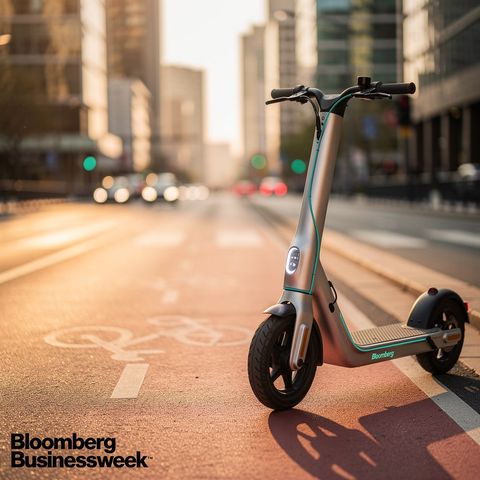
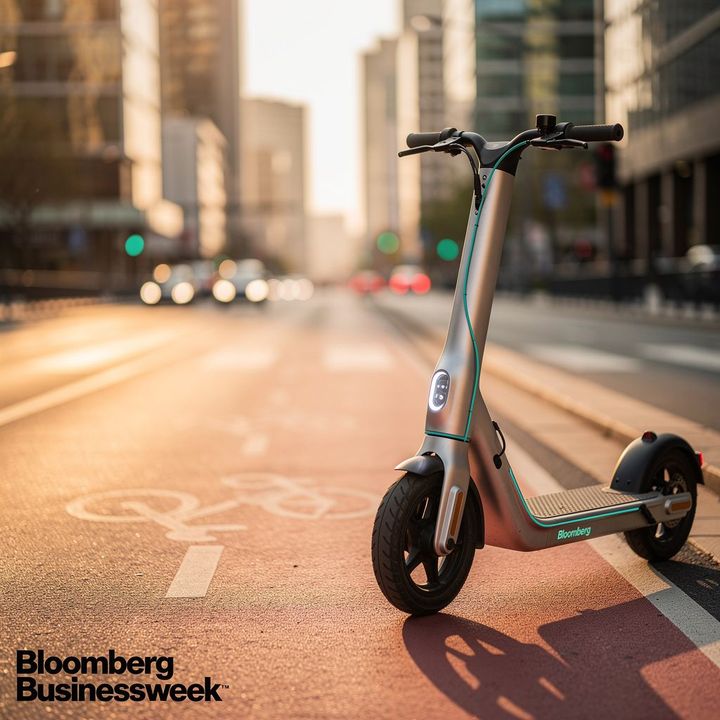
Electric scooters have emerged as a transformative solution for urban mobility, offering riders a convenient, portable, and environmentally conscious way to navigate city streets. These lightweight vehicles have rapidly gained popularity over the past decade, reshaping how millions of people commute, travel short distances, and explore their communities. Understanding the fundamentals of electric scooters, their advantages, limitations, and practical applications can help you make informed decisions about whether this transportation option aligns with your lifestyle and needs.
Benefits and Limitations of Electric Scooters
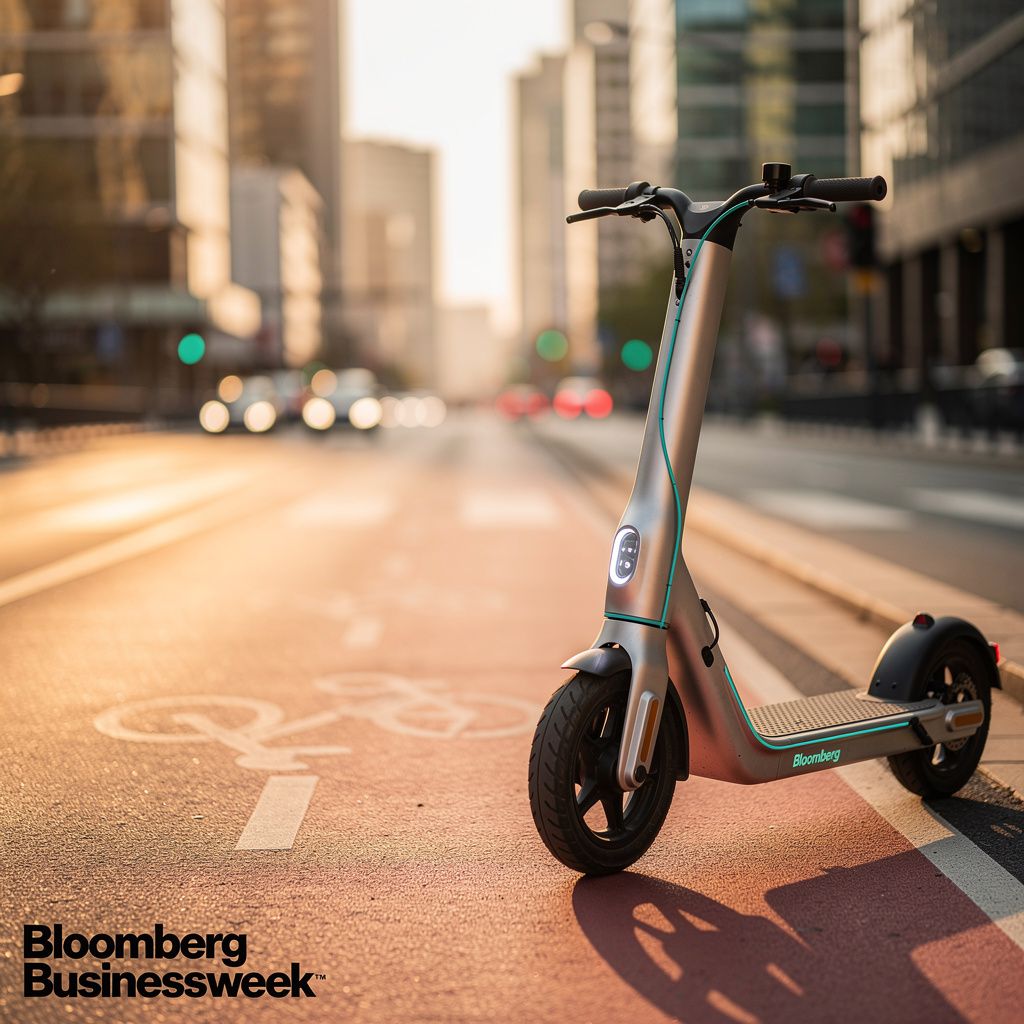
Electric scooters offer numerous advantages that have contributed to their widespread adoption. They provide an affordable transportation option with minimal operating costs, as electricity is significantly cheaper than gasoline. These vehicles are environmentally friendly, producing zero emissions during operation and helping reduce urban air pollution. Electric scooters are also highly portable and compact, making them ideal for first-mile and last-mile transportation when combined with public transit. Additionally, they require minimal physical effort compared to traditional scooters or bicycles, making them accessible to a broader range of users.
However, electric scooters do have limitations worth considering. Battery range varies significantly depending on the model, with most scooters offering 15 to 40 miles per charge. Weather conditions, rider weight, and terrain can all impact actual range. Safety concerns exist, particularly regarding accident rates and the need for proper protective equipment. Storage and charging infrastructure remain challenges in some areas, and regulations vary widely across different cities and regions. Additionally, durability and maintenance requirements can affect long-term ownership costs.
Types of Electric Scooters
The electric scooter market encompasses several distinct categories, each designed for different purposes and user preferences. Understanding these types helps you identify which option best suits your specific needs.
- Commuter Scooters: Designed for daily urban travel, these models prioritize reliability, range, and comfort. They typically feature larger wheels, better suspension, and more powerful motors.
- Lightweight Portable Scooters: These compact models emphasize portability and ease of storage, making them perfect for users who need to carry their scooters on public transportation or store them in small spaces.
- Off-Road Scooters: Built for rugged terrain, these vehicles feature dual motors, enhanced suspension, and larger tires designed to handle unpaved surfaces.
- Performance Scooters: Engineered for speed and power, these high-end models deliver superior acceleration, extended range, and advanced features for enthusiasts.
- Budget-Friendly Scooters: Entry-level models that provide basic functionality at accessible price points, ideal for casual users or those new to electric scooters.
Current Market Trends and Innovations
The electric scooter industry continues to evolve rapidly with several notable trends shaping the market. Battery technology improvements are extending range and reducing charging times, making scooters more practical for daily use. Manufacturers are increasingly focusing on durability and longevity, addressing early concerns about build quality. Integration with mobile applications and IoT technology is enhancing user experience through real-time diagnostics, GPS tracking, and ride analytics.
Shared mobility services have expanded significantly, with rental scooter programs becoming common in major cities worldwide. This trend has increased accessibility for casual users while raising awareness about electric scooter benefits. Additionally, regulatory frameworks are becoming more standardized, with cities establishing clear rules about where scooters can be ridden and parked. Sustainability initiatives are driving demand for electric scooters as cities prioritize reducing carbon emissions and alleviating traffic congestion.
Essential Features to Consider
When evaluating electric scooters, several key features deserve your attention. Motor power, typically measured in watts, directly affects acceleration and hill-climbing ability. Battery capacity determines range, with larger capacity batteries enabling longer journeys. Wheel size influences stability and ride comfort, with larger wheels generally providing smoother rides on rough surfaces. Braking systems vary from mechanical to electronic, each offering different advantages in terms of reliability and maintenance.
Weight capacity is crucial for safety and performance, and it's important to choose a scooter rated for your body weight. Display features provide essential information like speed, battery level, and distance traveled. Suspension systems improve comfort on uneven terrain, though not all scooters include this feature. Build quality and materials affect durability, with aluminum frames and sealed electronics offering better longevity in various weather conditions.
Comparison of Popular Scooter Categories
| Category | Motor Power | Range | Weight | Best For |
|---|---|---|---|---|
| Lightweight Portable | 250-500W | 15-25 miles | 20-30 lbs | Public transit users |
| Commuter | 500-1000W | 25-40 miles | 30-50 lbs | Daily commuting |
| Performance | 1000W+ | 30-50 miles | 50-80 lbs | Speed enthusiasts |
| Off-Road | 1000-2000W | 25-60 miles | 60-100 lbs | Rugged terrain |
Leading Manufacturers and Brands
The electric scooter market includes numerous established manufacturers and emerging brands. Established companies have built reputations for reliability and customer service, while newer entrants often focus on innovation and specialized features. Leading manufacturers span various market segments, from budget-friendly options to premium performance models. Many brands offer multiple product lines to serve different user needs and budgets. Reading user reviews, checking warranty coverage, and researching company reputation can help you identify reputable manufacturers in your region.
How to Select the Right Electric Scooter
Choosing the appropriate electric scooter requires evaluating your specific needs and circumstances. Consider your primary use case: are you commuting daily, using it occasionally for short trips, or seeking recreational riding? Assess the typical distances you'll travel to ensure the scooter's range meets your requirements. Evaluate the terrain in your area, as rough surfaces may require scooters with better suspension and larger wheels.
Your budget should encompass not just the initial purchase but also maintenance, replacement parts, and potential repairs. Check local regulations to understand where scooters are permitted and what safety requirements apply. Test ride different models if possible to evaluate comfort, handling, and responsiveness. Research warranty options and after-sales support availability. Consider storage space and portability needs, especially if you'll be carrying the scooter on public transportation.
Practical Tips for Electric Scooter Users
Maximizing your electric scooter experience involves following best practices for safety, maintenance, and performance. Always wear appropriate protective equipment, including a helmet, and consider additional protection like knee and elbow pads. Familiarize yourself with local traffic laws and scooter regulations before riding. Start with shorter rides to build confidence and understand your scooter's handling characteristics.
Maintain your scooter regularly by checking tire pressure, inspecting brakes, and keeping the deck clean. Charge your battery according to manufacturer recommendations, typically after each use or when the charge drops below 20 percent. Avoid riding in extreme weather conditions, as rain and snow can affect performance and safety. Store your scooter in a dry location protected from direct sunlight. Practice smooth acceleration and braking to extend battery life and improve overall ride quality. Stay aware of your surroundings and anticipate obstacles or traffic changes.
Essential Checklist for Scooter Owners
- Inspect tires weekly for proper inflation and visible damage
- Test brakes regularly to ensure responsive stopping power
- Check all bolts and fasteners monthly for tightness
- Clean the scooter after riding in wet or dusty conditions
- Monitor battery health and follow charging best practices
- Review local regulations and ride within permitted areas
- Wear protective equipment on every ride
- Keep emergency contact information and identification accessible
- Maintain a record of maintenance and repairs
- Store the scooter in a safe, dry location
Frequently Asked Questions
How long does an electric scooter battery last?
Battery lifespan typically ranges from 300 to 500 charge cycles, translating to approximately 1 to 3 years of regular use. Proper maintenance, avoiding complete discharge cycles, and storing the battery in moderate temperatures can extend its lifespan. Eventually, batteries lose capacity and may need replacement.
Are electric scooters waterproof?
Most electric scooters have some water resistance, but few are fully waterproof. Many models can handle light rain, but riding through puddles or heavy rainfall can damage electrical components. Always check the manufacturer's specifications regarding water resistance ratings and avoid submerging your scooter.
What is the average cost of maintaining an electric scooter?
Maintenance costs are generally low, typically ranging from 50 to 200 dollars annually for casual users. Primary expenses include tire replacements, brake pads, and occasional repairs. Regular maintenance can minimize unexpected repairs and extend the scooter's lifespan.
Can electric scooters be used in rain?
While many scooters can handle light rain, riding in heavy rainfall is not recommended. Water can damage electrical components and reduce braking effectiveness. Check your scooter's water resistance rating and avoid puddles and flooded areas.
How fast do electric scooters typically travel?
Most commuter scooters reach speeds between 15 and 25 miles per hour, while performance models can exceed 40 miles per hour. Speed depends on motor power, rider weight, terrain, and battery charge level. Always ride at safe speeds appropriate for your skill level and local conditions.
What safety equipment should I use with an electric scooter?
A properly fitting helmet is essential for every ride. Additional protective gear like knee pads, elbow pads, and wrist guards can reduce injury severity in accidents. Reflective clothing or lights improve visibility during low-light conditions, enhancing safety for both the rider and others on the road.
Conclusion
Electric scooters represent a significant advancement in urban mobility, offering practical, eco-friendly transportation solutions for millions of users worldwide. By understanding the various types available, key features to evaluate, and best practices for safe operation, you can make informed decisions about whether an electric scooter aligns with your lifestyle and transportation needs. The market continues to evolve with improved technology, better regulations, and expanded infrastructure supporting scooter use. Whether you're considering purchasing your first scooter or seeking to enhance your current riding experience, the information provided in this guide equips you with essential knowledge to navigate the electric scooter landscape confidently and responsibly.