Understanding Artificial Intelligence: Basics, Uses, and Real-World Examples
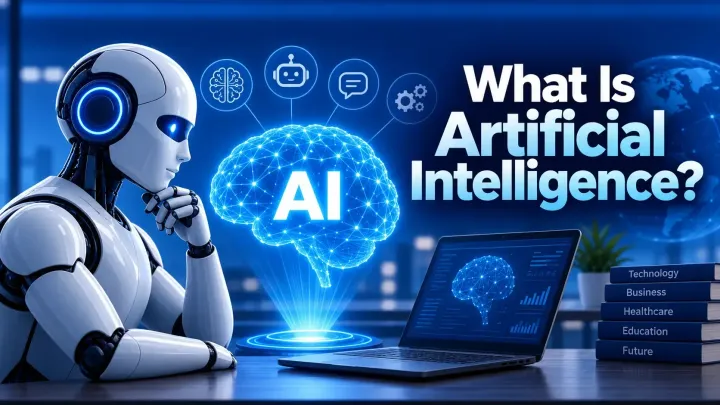
Artificial intelligence is reshaping daily life by enabling smarter decisions, automation, and efficient problem-solving. From smartphones to online services, AI improves convenience and performance. Understanding AI basics, applications, and benefits helps individuals and businesses navigate technology confidently, grasp practical uses, and recognise its growing impact across industries, daily routines, and global innovation.
Understanding the Basics of AI
Artificial intelligence refers to computer systems designed to perform tasks that typically require human intelligence. It includes reasoning, learning, decision-making, and problem-solving capabilities. AI systems use algorithms, data, and computational power to analyse information and generate insights. By mimicking human cognition, these systems optimise processes and improve efficiency in multiple sectors, such as healthcare, finance, logistics, and entertainment. AI basics also encompass machine learning, natural language processing, and robotics, providing a foundation for understanding how AI functions in practical, everyday contexts.
Practical Uses of Artificial Intelligence
- Virtual Assistants: AI-driven assistants like Siri, Alexa, and Google Assistant help manage schedules, control smart devices, provide information, and perform tasks efficiently, improving productivity and daily convenience.
- Recommendation Systems: Streaming platforms and e-commerce sites use AI to analyse user behaviour, suggesting personalised content or products that enhance engagement, satisfaction, and tailored digital experiences.
- Autonomous Vehicles: AI enables self-driving cars and drones to interpret real-time data, make navigation decisions, and enhance safety, efficiency, and reliability in transportation systems globally.
- Healthcare Solutions: AI supports medical diagnosis, predictive analytics, and personalised treatment plans, improving patient care, monitoring, and healthcare decision-making while optimising hospital and clinical workflows.
- Smart Home Automation: AI integrates systems like lighting, heating, and security, adjusting settings intelligently to reduce energy use, enhance comfort, and simplify everyday household management.
Core Benefits of AI
- Efficiency Improvement: AI speeds up processes, reduces manual effort, and streamlines tasks in industries and daily life, while minimising errors and improving overall productivity.
- Enhanced Decision-Making: By analysing large volumes of data, AI generates actionable insights that support smarter choices in business, healthcare, finance, and operational management.
- Personalisation and User Experience: AI tailors services and products to individual needs, boosting engagement, satisfaction, and usability in digital platforms, education systems, and retail environments.
- Cost Reduction: Automating repetitive or routine tasks with AI lowers operational expenses, conserves resources, and reduces human workload, improving efficiency for businesses globally.
- Innovation Enablement: AI encourages creative problem-solving, supports applications like drug discovery or predictive maintenance, and accelerates technological progress across multiple industries and sectors.
Key Features of Artificial Intelligence
AI technology incorporates multiple advanced features that make it transformative:
- Machine Learning Algorithms: AI systems analyse data patterns to improve performance autonomously, offering predictive insights, automating tasks, and enabling smarter decisions without requiring explicit programming.
- Natural Language Processing: AI comprehends, interprets, and responds to human language, powering chatbots, translation services, and voice assistants for intelligent, conversational, and context-aware interactions.
- Computer Vision: AI processes visual information to recognise objects, analyse images or videos, support surveillance, and enable augmented reality, improving accuracy and decision-making across multiple applications.
- Predictive Analytics: AI uses historical and real-time data to forecast trends, behaviours, and outcomes, assisting industries with planning, strategy, risk management, and proactive decision-making.
- Robotics Integration: AI-powered robots perform repetitive, precise, or hazardous tasks efficiently, enhancing safety, productivity, and operational effectiveness in sectors like manufacturing, logistics, and healthcare.
Types of Artificial Intelligence
- Narrow AI: Focused on performing specific tasks like voice recognition, recommendations, or image analysis, narrow AI delivers highly accurate results within defined boundaries but cannot generalise beyond them.
- General AI: A theoretical form of AI capable of performing multiple cognitive tasks, reasoning, and decision-making across different domains, mimicking human intelligence, though it remains largely experimental.
- Reactive Machines: Basic AI systems that respond to current inputs without memory, like chess engines, offering fast, efficient, task-specific performance without learning from past experiences.
- Limited Memory AI: AI systems store and utilise historical data to improve future decisions, applied in autonomous vehicles, fraud detection, and predictive maintenance for more accurate outcomes.
- Self-Learning AI: Advanced AI models learn continuously from interactions with their environment, refining performance, adapting to changes, and enhancing intelligence over time in dynamic, real-world applications.
Real-World Applications of AI
- Financial Services: AI identifies fraudulent transactions, manages financial risk, and forecasts market trends, improving security, investment strategies, and operational efficiency across global banking and finance sectors.
- Education Technology: AI-powered adaptive learning platforms personalise lessons, track student progress, and provide feedback, enhancing learning outcomes, engagement, and customised education experiences worldwide.
- Retail and E-Commerce: AI optimises inventory management, dynamic pricing, and personalised marketing, improving operational efficiency, customer satisfaction, and sales performance across online and offline retail environments.
- Agriculture Automation: AI monitors crops, predicts yields, and enables precision farming, increasing productivity, reducing resource waste, and supporting sustainable agricultural practices for farmers globally.
- Entertainment Industry: AI aids in content creation, editing, and personalised recommendations, boosting user engagement, streamlining production processes, and enhancing experiences in gaming, streaming, and media platforms.
Tips for Using AI Effectively
Effective use of AI requires understanding its capabilities, integrating it thoughtfully, and leveraging data insights to enhance productivity, decision-making, and personalised solutions across various applications.
- Start Small: Begin with manageable AI tools or platforms to understand capabilities before scaling applications across broader operations.
- Data Quality Matters: High-quality, relevant data improves AI performance, ensuring accurate predictions and actionable insights.
- Integrate Thoughtfully: Ensure AI complements human expertise and decision-making instead of fully replacing critical human judgment.
- Monitor and Adjust: Continuously track AI performance and update models to respond to changing conditions and evolving objectives.
- Stay Informed: Keep up with AI research, tools, and ethical guidelines to leverage technology responsibly and strategically.
By applying AI strategically, monitoring performance, and staying updated with technology, users can maximise benefits, improve outcomes, and adapt successfully to evolving digital environments.
AI for Automation and Smart Decisions
Artificial intelligence enables automation by handling repetitive, time-consuming tasks, reducing human effort and errors. It also supports smart decision-making by analysing large volumes of data, identifying patterns, and generating actionable insights. Businesses and individuals can use AI to optimise workflows, improve efficiency, and make faster, more accurate choices. From supply chain management to financial forecasting, AI systems process information in real time, helping organisations respond proactively to changing conditions. By combining automation with intelligent analysis, AI drives productivity, innovation, and better outcomes across industries and everyday applications.
Understanding AI in Daily Life
Artificial intelligence impacts everyday life more than most realise. From smartphone assistants to online shopping recommendations, AI supports convenience and efficiency. Smart traffic systems, email filters, and personal fitness apps leverage AI to optimise experiences. AI technologies also enable predictive alerts, resource management, and personalised suggestions, demonstrating practical utility. Its integration into household, commercial, and industrial applications highlights how AI improves workflows, automates repetitive tasks, and supports decision-making across daily activities worldwide.
How AI Works in Everyday Technology
Artificial intelligence processes data, learns from patterns, and automates tasks, making everyday technology smarter, faster, and more responsive to user needs across multiple devices and applications.
Key Applications of AI
- Smartphones: AI manages apps, predicts user behaviour, and improves voice recognition, enhancing overall usability and personalised digital experiences.
- Online Services: AI filters content, suggests recommendations, and streamlines navigation, improving efficiency across streaming, shopping, and social media platforms.
- Home Devices: AI powers smart thermostats, lighting, and security systems, automating routines and improving energy efficiency.
- Healthcare Technology: AI supports diagnostics, patient monitoring, and predictive analytics, improving accuracy and patient care.
- Transportation Systems: AI enables navigation, traffic management, and autonomous vehicles, optimising efficiency and safety in travel and logistics.
By understanding AI’s role in everyday technology, users can leverage smarter devices, benefit from automation, and experience improved convenience, efficiency, and personalised interactions across daily life.
Recommended Platforms for Exploring AI
These platforms provide practical AI tools and services, allowing users to explore, experiment, and understand how artificial intelligence powers everyday technology, automation, and smart decision-making globally.
- Google AI: Offers practical AI tools, APIs, and experiments accessible to anyone. Users can explore machine learning, natural language processing, and AI-powered applications integrated into search, Google Assistant, and daily workflows.
- IBM Watson: Provides AI-powered services for everyday tasks, such as chatbots, language translation, and data analysis. Watson’s tools demonstrate AI’s real-world applications in business, healthcare, and customer interaction.
- Microsoft Azure AI: A cloud platform offering AI solutions like computer vision, speech recognition, and decision-making tools. It enables individuals and organisations to integrate AI into apps and daily operations easily.
Future Outlook of AI Technology
AI continues to evolve rapidly, with advancements in autonomous systems, healthcare diagnostics, language understanding, and robotics. Emerging trends include ethical AI, explainable AI models, and widespread industrial automation. Global adoption is accelerating in both developed and developing regions, creating opportunities in smart cities, personalised services, and business efficiency. As AI becomes more embedded in technology infrastructure, it will redefine productivity, creativity, and human-machine collaboration, shaping modern life and future innovations while expanding applications across education, healthcare, finance, and entertainment sectors.