Ultimate Guide to Portable Welding Machines
Learn about portable welding machines, their benefits, types, and features. Explore how to choose the right equipment for your welding needs and applications.
Portable welding machines have become indispensable tools in modern metalworking, construction, and fabrication industries. These compact, mobile units deliver the power and precision needed for quality welds while offering unprecedented flexibility in work location and setup. Whether you're working on a construction site, in a workshop, or performing field repairs, portable welding machines provide the capability to complete projects efficiently without relying on fixed infrastructure. This guide explores everything you need to know about portable welding machines, from their fundamental benefits to practical selection strategies.
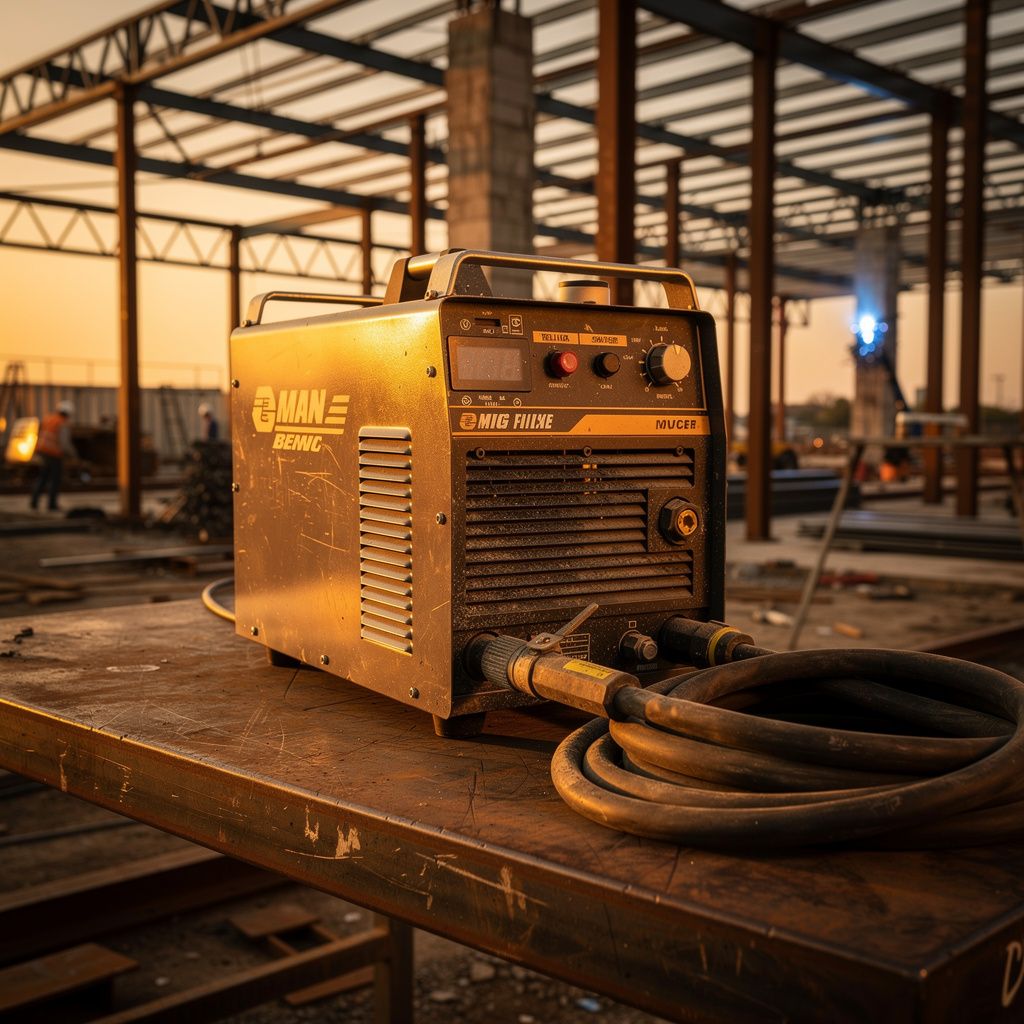
Benefits and Limitations of Portable Welding Machines
Portable welding machines offer numerous advantages that have made them popular across various industries. The primary benefit is mobility—these machines can be transported to job sites, allowing welders to work where the project is located rather than moving materials to a stationary setup. This capability significantly reduces downtime and increases productivity on construction sites and field repair operations.
Cost efficiency represents another major advantage. Portable units typically require lower initial investment compared to industrial welding stations, making them accessible to small businesses and independent contractors. Additionally, they consume less space, making them ideal for workshops with limited room or mobile operations.
However, portable welding machines do have limitations. They generally produce lower amperage compared to industrial-grade stationary equipment, which may restrict their use on thicker materials or heavy-duty applications. Power requirements can also be a consideration, as some models require specific electrical infrastructure. Cooling systems in portable units may be less robust than their larger counterparts, potentially affecting continuous operation duration during extended welding sessions.
Types of Portable Welding Machines
Understanding the different categories of portable welding equipment helps identify which type best suits specific applications and work environments.
MIG Welding Machines
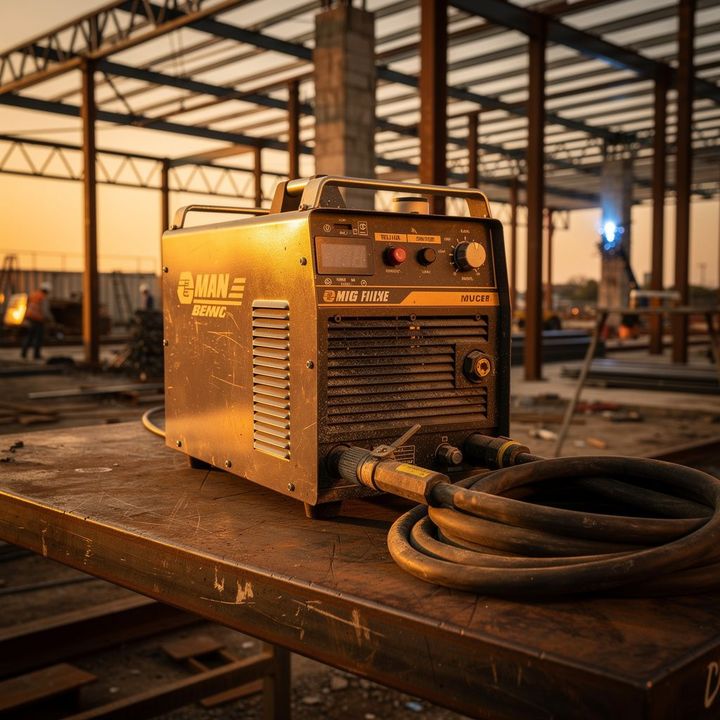
Metal Inert Gas (MIG) welding machines are among the most popular portable options. They offer ease of use, fast welding speeds, and clean results. MIG welders work well with various metals and are particularly suitable for beginners due to their straightforward operation. These machines are lightweight and commonly used in automotive repair, fabrication, and general metalworking.
Stick Welding Machines
Stick welders, also known as Shielded Metal Arc Welding (SMAW) machines, are renowned for their durability and versatility. They excel in outdoor conditions and can weld through rust and paint, making them ideal for field work and construction. Stick welders are often the most portable option and require minimal setup, though they typically produce more spatter than other methods.
TIG Welding Machines
Tungsten Inert Gas (TIG) welding machines provide superior precision and control, producing high-quality welds on thin materials and exotic metals. While traditionally considered less portable, modern compact TIG units have emerged for field applications. These machines require more operator skill but deliver exceptional results for detailed work.
Plasma Cutting Systems
Many portable welding packages include plasma cutting capabilities. These systems cut through conductive metals quickly and cleanly, complementing welding operations. Portable plasma cutters are increasingly integrated with welding machines for comprehensive metal fabrication solutions.
Emerging Trends in Portable Welding Technology
The portable welding industry continues to evolve with technological advancements. Inverter technology has transformed portable welding by reducing weight and size while improving power efficiency. These machines generate stable arc characteristics and are more forgiving of voltage fluctuations, making them reliable in various field conditions.
Battery-powered welding equipment represents an emerging frontier, offering unprecedented portability for light to medium-duty applications. Multi-process machines that combine MIG, stick, and TIG capabilities in a single unit are becoming more common, providing versatility without requiring multiple pieces of equipment.
Digital displays and smart features are increasingly standard, allowing operators to monitor parameters, adjust settings precisely, and maintain consistent weld quality. Remote connectivity features are also emerging, enabling diagnostics and parameter adjustments from mobile devices.
Key Features to Evaluate
When examining portable welding machines, several critical features warrant careful consideration:
- Amperage Range: Higher amperage enables welding thicker materials. Typical portable machines range from 100 to 300 amps.
- Duty Cycle: This percentage indicates how long the machine can operate continuously before requiring cooling time. Higher duty cycles are preferable for sustained work.
- Input Power Requirements: Machines may require 120V, 240V, or three-phase power. Verify your available electrical infrastructure before purchasing.
- Portability Specifications: Weight, dimensions, and handle design affect how easily the machine can be transported and positioned.
- Wire Feed Capability: For MIG machines, consistent and adjustable wire feed ensures quality welds across different materials and thicknesses.
- Cooling System: Air-cooled machines are lighter but may have lower duty cycles, while liquid-cooled units offer better sustained performance.
Comparison of Popular Portable Welding Categories
| Type | Portability | Ease of Use | Weld Quality | Best Applications |
|---|---|---|---|---|
| MIG | Good | Excellent | Very Good | Fabrication, automotive, general work |
| Stick | Excellent | Moderate | Good | Field work, construction, outdoor projects |
| TIG | Fair | Challenging | Excellent | Precision work, thin materials, specialty metals |
| Plasma Cutting | Good | Good | N/A | Metal cutting, fabrication prep |
Selecting the Right Portable Welding Machine
Choosing appropriate equipment requires evaluating your specific needs and working conditions. Consider the types of materials you'll weld, typical thicknesses, frequency of use, and available workspace. Assess your power supply capabilities and whether portability is essential for your operations.
Budget considerations extend beyond purchase price to include maintenance costs, consumables, and potential upgrades. Entry-level machines suit occasional users and light-duty applications, while professionals requiring consistent performance should invest in higher-quality equipment with better durability and features.
Practical Tips for Portable Welding Success
Maximizing the effectiveness of portable welding equipment involves several best practices:
- Prepare work surfaces thoroughly by cleaning rust, paint, and contaminants before welding
- Maintain proper grounding to ensure consistent arc quality and operator safety
- Monitor duty cycle ratings and allow adequate cooling periods during extended sessions
- Keep consumables stocked, including electrodes, wire, and shielding gas
- Perform regular maintenance including cleaning contact tips and inspecting cables
- Practice proper technique and positioning for optimal weld penetration and appearance
- Use appropriate personal protective equipment including helmets, gloves, and fire-resistant clothing
Frequently Asked Questions
What is the difference between portable and industrial welding machines?
Portable machines prioritize mobility and compact design, typically offering lower amperage and duty cycles suitable for field work and smaller projects. Industrial machines are stationary, deliver higher amperage, and support continuous operation for high-volume production environments.
Can portable welding machines weld thick steel?
Most portable machines can weld steel up to 3/8 inch thickness effectively. Thicker materials may require multiple passes or higher-amperage equipment. Always verify the machine's specifications for your intended material thickness.
What power supply do portable welders need?
Requirements vary by model. Some operate on standard 120V household current, while others need 240V single-phase or three-phase power. Check your available electrical infrastructure before selecting equipment.
How often should portable welding machines be serviced?
Regular maintenance includes cleaning after each use, inspecting cables monthly, and professional servicing annually or per manufacturer recommendations. Proper maintenance extends equipment life and ensures consistent performance.
Are portable welding machines suitable for beginners?
Yes, MIG portable welders are particularly beginner-friendly due to their straightforward operation and forgiving characteristics. Stick welders require more practice, while TIG machines demand significant skill development.
What safety considerations apply to portable welding?
Always wear appropriate protective equipment, ensure proper ventilation to manage fumes, maintain clear work areas, verify grounding before operation, and follow manufacturer safety guidelines. Never operate equipment without proper training.
Conclusion
Portable welding machines represent a significant evolution in metalworking capability, enabling professionals and enthusiasts to complete quality welds in diverse locations and applications. Understanding the various types, evaluating key features, and selecting equipment aligned with your specific needs ensures successful projects and efficient operations. Whether you're managing construction sites, performing field repairs, or operating a fabrication business, portable welding technology provides the flexibility and performance necessary for modern metalworking demands. By considering the factors outlined in this guide and following best practices, you can maximize the effectiveness of your portable welding equipment and achieve professional results across your projects.