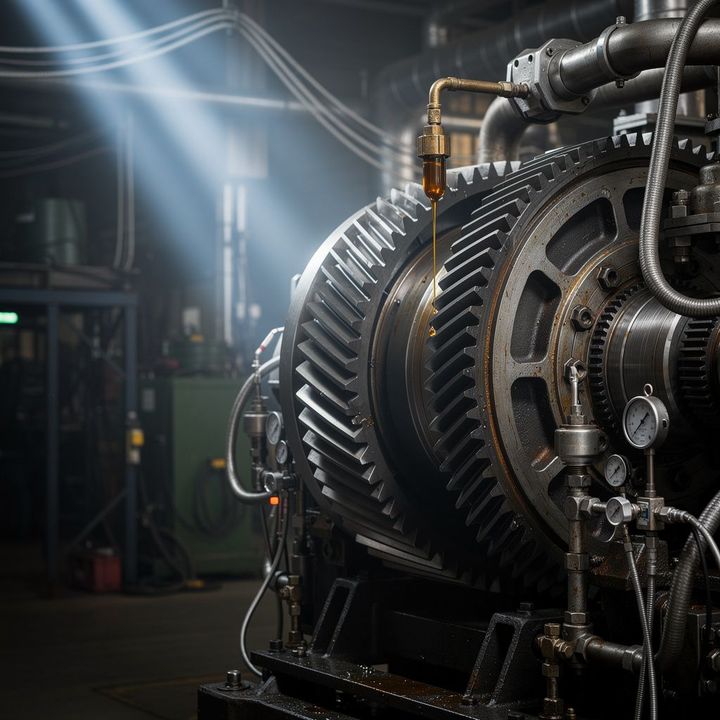
Ultimate Guide to Industrial Gearboxes: Best Practices
Learn about industrial gearboxes, their types, applications, and selection criteria. Explore key features and best practices for optimal performance and efficiency.
Industrial gearboxes are fundamental components in modern manufacturing and heavy equipment operations. These mechanical devices transmit and regulate power between rotating shafts, enabling machines to operate at optimal efficiency. Understanding gearbox technology, selection criteria, and maintenance practices is essential for professionals managing industrial operations.
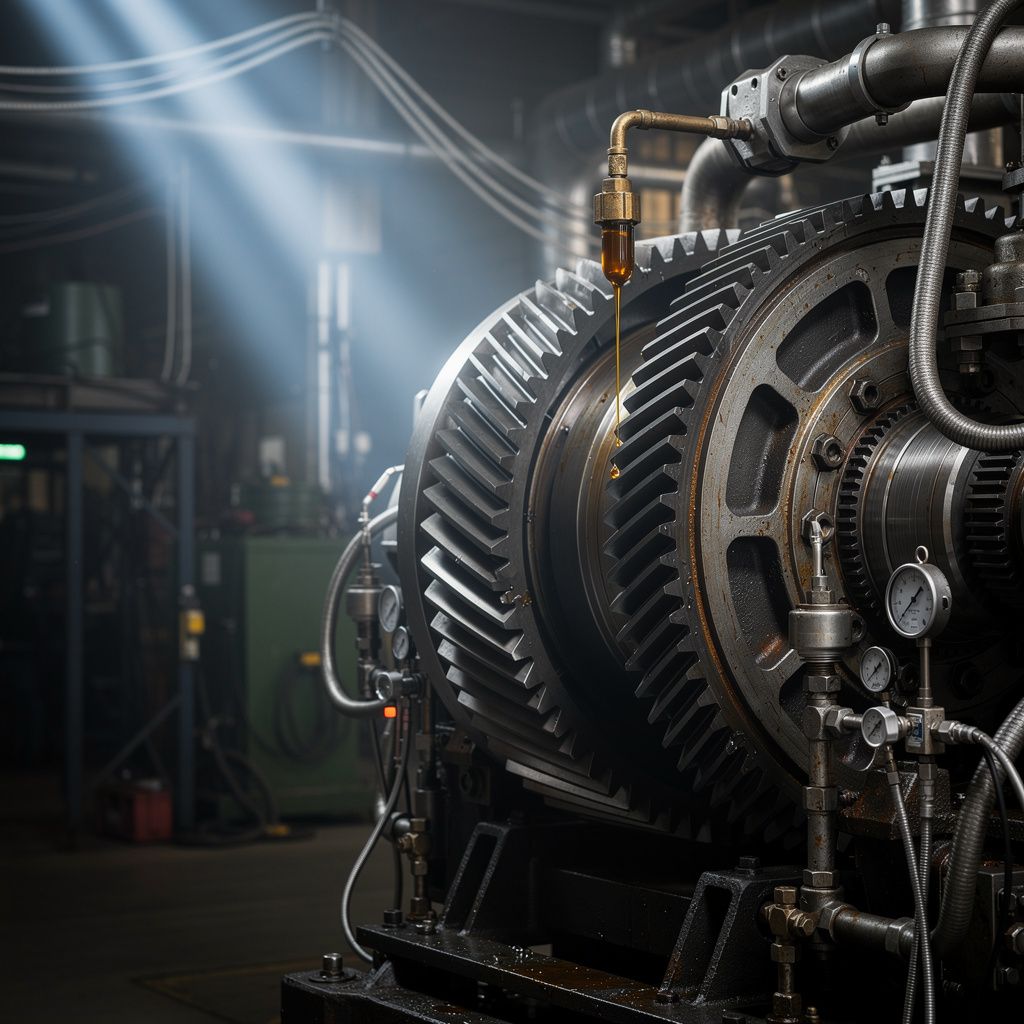
Understanding Industrial Gearboxes and Their Importance
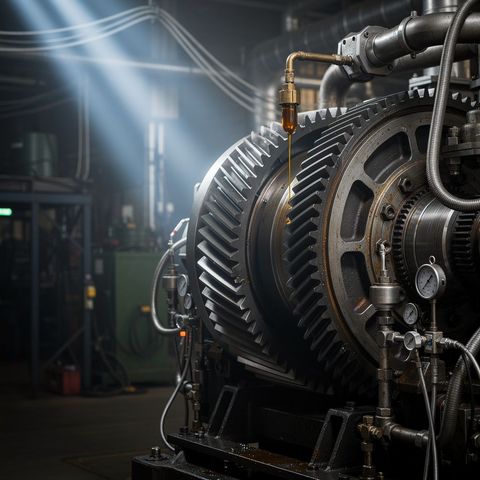
A gearbox is a mechanical device that uses gears to change the speed and torque of power transmission. Industrial gearboxes are engineered to handle high loads, extreme temperatures, and demanding operational conditions. They serve as critical components in industries ranging from manufacturing and mining to energy production and transportation.
The primary functions of industrial gearboxes include increasing or decreasing rotational speed, multiplying or reducing torque, and changing the direction of power transmission. These capabilities make gearboxes indispensable in applications where precise power control is necessary for optimal performance.
Benefits and Limitations of Industrial Gearboxes
Key Benefits:
- Efficient power transmission with minimal energy loss
- Precise speed and torque control for diverse applications
- Compact design relative to power output capacity
- Long operational lifespan with proper maintenance
- Flexibility in mounting and installation configurations
- Cost-effective solution for power regulation
Limitations to Consider:
- Requires regular maintenance and lubrication
- Noise generation during operation
- Heat generation under heavy loads
- Initial capital investment can be substantial
- Efficiency losses due to friction and slippage
Types of Industrial Gearboxes
Different gearbox types serve specific applications and operational requirements. Understanding these variations helps in selecting the appropriate solution for your needs.
Spur Gearboxes
Spur gearboxes feature gears with teeth parallel to the axis of rotation. They offer high efficiency and are suitable for applications requiring parallel shaft power transmission. Spur gearboxes are commonly used in compressors, pumps, and conveyor systems.
Helical Gearboxes
Helical gearboxes use angled teeth that engage gradually, resulting in smoother and quieter operation compared to spur gearboxes. They can handle higher loads and are ideal for continuous-duty applications in manufacturing and processing industries.
Bevel Gearboxes
Bevel gearboxes transmit power between shafts that intersect at angles, typically 90 degrees. They are essential in applications requiring directional changes, such as conveyor systems, crushers, and mining equipment.
Worm Gearboxes
Worm gearboxes consist of a worm screw and a worm wheel, providing high reduction ratios in compact designs. They are commonly used in hoisting equipment, elevators, and applications requiring self-locking capabilities.
Planetary Gearboxes
Planetary gearboxes feature a central sun gear surrounded by planetary gears, offering high torque density and compact designs. They are increasingly used in automation, robotics, and precision machinery applications.
Current Trends in Gearbox Technology
The industrial gearbox sector continues to evolve with technological advancements and changing operational demands. Several key trends are shaping the industry:
- IoT Integration: Smart gearboxes equipped with sensors for real-time monitoring and predictive maintenance
- Energy Efficiency: Development of low-loss gearboxes to reduce operational costs
- Lightweight Materials: Use of advanced alloys and composites for improved performance
- Modular Design: Customizable gearbox configurations for diverse applications
- Sustainability Focus: Manufacturing processes emphasizing environmental responsibility
Essential Features and Specifications
When evaluating industrial gearboxes, several critical specifications determine suitability for specific applications:
| Feature | Description | Importance |
|---|---|---|
| Gear Ratio | Relationship between input and output shaft speeds | Determines speed and torque conversion |
| Torque Capacity | Maximum torque the gearbox can transmit safely | Critical for load-bearing applications |
| Efficiency Rating | Percentage of input power delivered as output | Affects operational costs and performance |
| Mounting Type | Configuration options for installation | Determines compatibility with equipment |
| Operating Temperature | Safe temperature range for operation | Ensures reliability in harsh environments |
| Lubrication Type | Oil or grease requirements for operation | Impacts maintenance schedules |
Leading Gearbox Manufacturers and Solutions
The industrial gearbox market includes numerous established manufacturers offering diverse product lines. Major companies provide specialized solutions for specific industries and applications, from standard off-the-shelf models to custom-engineered systems. These manufacturers invest heavily in research and development to deliver innovative gearbox solutions that meet evolving industry standards and operational requirements.
Selecting the Right Industrial Gearbox
Choosing an appropriate gearbox requires careful analysis of operational requirements and environmental conditions. Consider the following selection checklist:
- Calculate required gear ratio based on input and output speeds
- Determine torque requirements for your specific application
- Assess environmental conditions including temperature and contamination levels
- Evaluate space constraints and mounting requirements
- Review efficiency ratings and operational costs
- Consider maintenance accessibility and support availability
- Verify compliance with industry standards and regulations
- Assess long-term reliability and warranty provisions
Best Practices for Gearbox Operation and Maintenance
Operational Best Practices:
- Ensure proper alignment during installation to minimize wear
- Monitor operating temperatures regularly for signs of overheating
- Avoid sudden load changes that can stress gearbox components
- Maintain consistent lubrication schedules as specified by manufacturers
- Document operational data for trend analysis and predictive maintenance
Maintenance Guidelines:
- Perform regular oil analysis to detect wear particles and contamination
- Inspect gearbox seals and gaskets for leakage
- Monitor noise and vibration levels for early problem detection
- Replace lubricant at recommended intervals
- Conduct periodic inspections of gear teeth and bearings
Frequently Asked Questions About Industrial Gearboxes
What is the typical lifespan of an industrial gearbox?
With proper maintenance and operation within design specifications, industrial gearboxes typically last 10 to 20 years or more. Lifespan depends on operating conditions, maintenance practices, and load characteristics. Regular monitoring and preventive maintenance can extend equipment life significantly.
How do I know if my gearbox needs maintenance?
Signs indicating gearbox maintenance needs include unusual noise, vibration, temperature increases, oil discoloration, and performance degradation. Implementing a predictive maintenance program using oil analysis and vibration monitoring helps identify issues before they become critical.
What causes gearbox failure?
Common failure causes include inadequate lubrication, misalignment, overloading, contamination, and bearing wear. Proper installation, maintenance, and operation within design parameters significantly reduce failure risks.
Can industrial gearboxes be repaired or must they be replaced?
Many gearbox issues can be repaired by qualified technicians, including bearing replacement, seal repairs, and gear refinishing. However, severe damage may require complete replacement. Professional assessment determines the most cost-effective solution.
How does gearbox efficiency affect operational costs?
Higher efficiency gearboxes reduce energy consumption and operational costs over time. Even small efficiency improvements translate to significant savings in continuous-duty applications. Consider total cost of ownership when evaluating gearbox options.
What role does lubrication play in gearbox performance?
Lubrication is critical for reducing friction, dissipating heat, and protecting gear teeth from wear. Proper lubricant selection and maintenance directly impact gearbox efficiency, lifespan, and reliability. Regular oil analysis ensures optimal lubrication conditions.
Conclusion
Industrial gearboxes remain essential components in modern manufacturing and heavy equipment operations. Understanding gearbox types, specifications, and selection criteria enables professionals to make informed decisions that optimize performance and reliability. By implementing best practices for operation and maintenance, organizations can maximize equipment lifespan, reduce downtime, and improve overall operational efficiency. Whether managing existing equipment or planning new installations, comprehensive knowledge of gearbox technology supports better decision-making and sustained operational success in industrial environments.