How to Choose Automotive Lubricants: Complete Guide
Learn how to select the right automotive lubricants for your vehicle's engine, transmission, and other components. Explore types, benefits, and best practices.
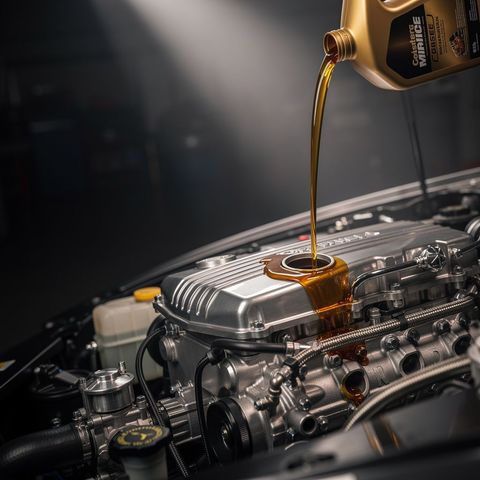
Automotive lubricants are fundamental to vehicle performance and longevity. These specialized fluids serve critical functions in reducing friction between moving parts, dissipating heat, preventing corrosion, and protecting engine components from wear and damage. Whether you drive a sedan, truck, or sports car, understanding automotive lubricants helps you maintain your vehicle effectively and avoid costly repairs.
Understanding Automotive Lubricants
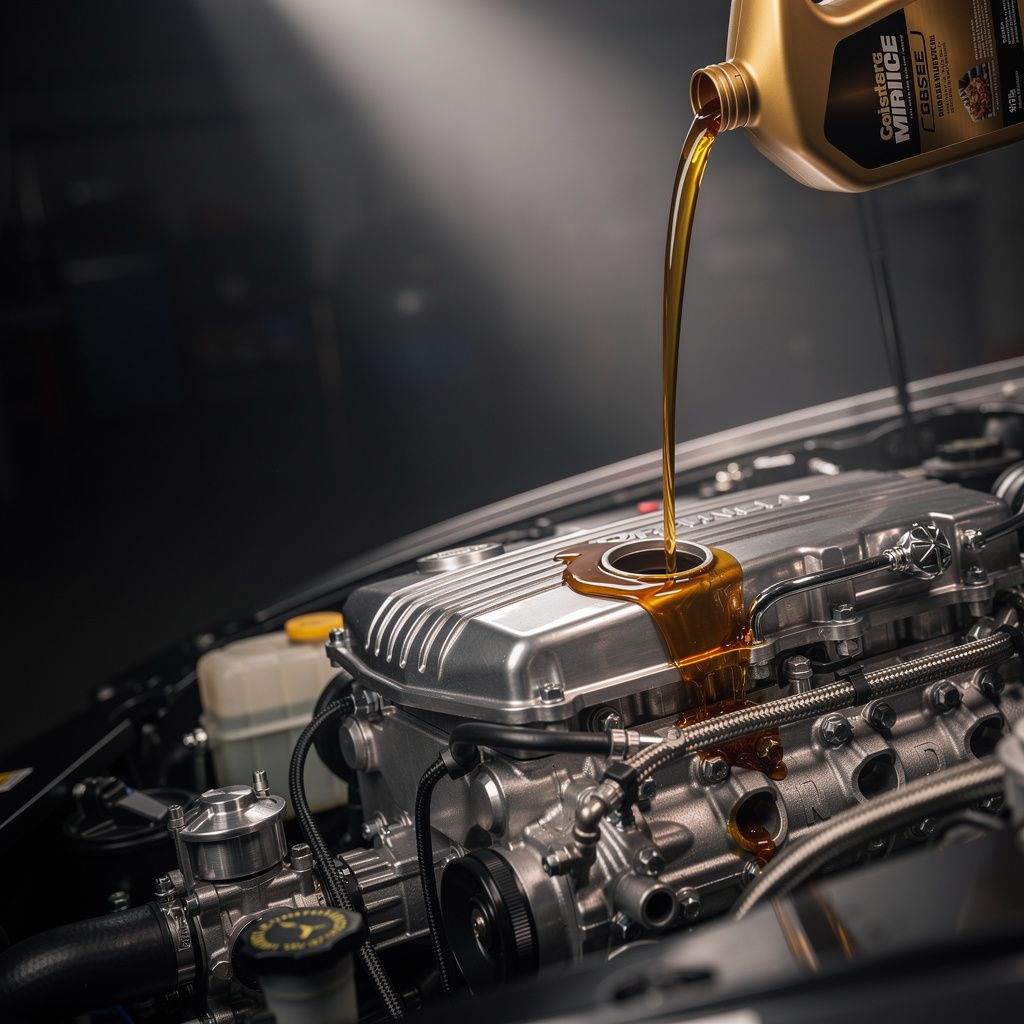
Lubricants are fluids engineered to minimize friction between surfaces in motion. In vehicles, they serve multiple purposes: reducing wear on metal surfaces, carrying away heat generated by engine operation, suspending contaminants for later removal through filters, and providing a protective barrier against moisture and oxidation. The quality and type of lubricant you use directly impacts engine efficiency, fuel economy, and overall vehicle reliability.
Benefits and Limitations of Automotive Lubricants
Quality automotive lubricants offer numerous advantages for vehicle owners and operators. Understanding both benefits and limitations helps you make informed maintenance decisions.
Key Benefits
- Reduced friction and wear on engine components
- Improved fuel efficiency and engine performance
- Extended engine lifespan and reduced maintenance costs
- Better protection against corrosion and oxidation
- Enhanced cold-start performance in low temperatures
- Improved heat dissipation and thermal stability
Limitations to Consider
- Lubricants degrade over time and require regular replacement
- Incorrect viscosity grades can reduce engine efficiency
- Some synthetic lubricants carry higher initial costs
- Environmental considerations for disposal and sustainability
- Performance varies based on driving conditions and climate
Types of Automotive Lubricants
Different vehicle systems require different lubricant types. Understanding these categories helps you select appropriate products for your maintenance needs.
Engine Oils
Engine oils are the most critical lubricants in any vehicle. They come in three main categories: conventional mineral oils, synthetic blends, and fully synthetic oils. Conventional oils are refined from crude petroleum and offer basic protection at lower costs. Synthetic blends combine mineral and synthetic base stocks for improved performance. Fully synthetic oils provide superior protection, longer drain intervals, and better performance in extreme temperatures, though they typically cost more.
Transmission Fluids
Transmission fluids lubricate gears and hydraulic components in automatic and manual transmissions. Automatic transmission fluid (ATF) serves dual purposes as both a lubricant and hydraulic fluid. Manual transmission oils are typically heavier and designed for gear protection. Continuously variable transmission (CVT) fluids have unique formulations to maintain proper belt friction and performance.
Differential and Gear Oils
These heavy-duty lubricants protect the gears and bearings in differentials and axles. They handle extreme pressures and shearing forces, making them thicker than engine oils. Gear oils come in various viscosity grades and are essential for rear-wheel drive and all-wheel drive vehicles.
Specialty Lubricants
Additional lubricants include power steering fluid, brake fluid, coolant, and grease for chassis components. Each serves specific functions and requires appropriate selection based on manufacturer specifications.
Current Industry Trends
The automotive lubricants industry continues to evolve with technological advances and environmental considerations. Manufacturers are developing lower-viscosity oils to improve fuel efficiency without sacrificing protection. Extended drain intervals are becoming more common, reducing maintenance frequency and waste. Synthetic and bio-based lubricants are gaining popularity as consumers seek sustainable options. Advanced additives provide better performance in modern engines with tighter tolerances and higher operating temperatures. Digitalization and condition monitoring technologies help vehicle owners optimize lubrication schedules based on actual usage patterns.
Key Features to Evaluate
When selecting automotive lubricants, several important characteristics determine suitability for your vehicle.
| Feature | Description | Why It Matters |
|---|---|---|
| Viscosity Grade | Thickness rating (e.g., 5W-30, 10W-40) | Affects flow at different temperatures and engine protection |
| API Certification | American Petroleum Institute standard (e.g., SN, SP) | Ensures minimum performance and quality standards |
| Base Stock Type | Mineral, synthetic blend, or fully synthetic | Influences performance, cost, and drain intervals |
| Additives | Detergents, anti-wear agents, anti-foam compounds | Provides enhanced protection and performance benefits |
| Thermal Stability | Ability to maintain properties at high temperatures | Prevents oil breakdown and sludge formation |
| Pour Point | Lowest temperature at which oil flows | Critical for cold-climate performance |
Leading Lubricant Manufacturers
The automotive lubricants market includes both major international companies and specialized producers. Established manufacturers have invested heavily in research and development to create advanced formulations. Major companies offer comprehensive product lines covering all vehicle lubrication needs. Smaller specialty manufacturers often focus on specific applications or high-performance products. Many vehicle manufacturers have partnerships with lubricant producers to ensure optimal compatibility. When selecting lubricants, choosing products from reputable manufacturers with strong quality control systems provides confidence in product performance and reliability.
Selecting the Right Lubricant for Your Vehicle
Proper lubricant selection requires understanding your vehicle's specifications and driving conditions. Always consult your vehicle's owner manual for manufacturer recommendations regarding viscosity grades, performance standards, and approved products. Consider your typical driving patterns—city driving, highway travel, towing, or extreme climate conditions all influence lubricant selection. Evaluate the balance between performance requirements and budget constraints. Synthetic oils offer longer intervals and better protection but cost more initially. Conventional oils provide adequate protection at lower costs for moderate driving. Keep detailed maintenance records to track lubricant performance and adjust selections based on actual results.
Best Practices for Lubricant Maintenance
Proper lubricant management extends component life and maintains vehicle performance.
Essential Maintenance Checklist
- Check oil levels monthly and before long trips
- Follow manufacturer-recommended drain intervals
- Use only lubricants meeting vehicle specifications
- Replace oil filters during every oil change
- Monitor for unusual odors, colors, or consistency changes
- Keep detailed records of all lubricant changes
- Dispose of used lubricants responsibly through recycling programs
- Inspect for leaks around seals and gaskets regularly
Practical Tips for Lubricant Selection
Making the right lubricant choices involves practical considerations beyond basic specifications. Read your owner's manual thoroughly and note all specific requirements and recommendations. Compare products meeting your vehicle's requirements, considering both performance benefits and long-term costs. Purchase lubricants from reputable retailers to ensure authenticity and proper storage. Store lubricants in cool, dry locations away from direct sunlight and temperature extremes. Understand the differences between viscosity grades and how they affect your vehicle's performance in various conditions. Consider climate factors when selecting products, especially pour point for cold climates and thermal stability for hot climates. Consult with qualified technicians if you have questions about specific product recommendations or compatibility.
Frequently Asked Questions
What does the W in oil viscosity ratings mean?
The W stands for winter. The number before W indicates how the oil flows at cold temperatures (0°F), while the number after W indicates viscosity at operating temperature (212°F). Lower numbers mean better cold-weather performance.
How often should I change my vehicle's oil?
Oil change intervals depend on your vehicle's specifications, lubricant type, and driving conditions. Conventional oils typically require changes every 3,000 to 5,000 miles, while synthetic oils may allow intervals of 7,500 to 10,000 miles or longer. Always consult your owner's manual for specific recommendations.
Can I mix different lubricant brands?
While mixing different brands of the same type and viscosity grade is generally safe in emergencies, it's best practice to use the same brand and product throughout the drain interval. Different formulations may have varying additive packages that could interact unpredictably.
What is the difference between synthetic and conventional oil?
Synthetic oils are chemically engineered from base stocks and additives, offering superior performance, longer drain intervals, and better protection in extreme temperatures. Conventional oils are refined from crude petroleum and provide adequate protection at lower costs, though they require more frequent changes.
How do I know if my vehicle needs a lubricant change?
Check your oil level monthly using the dipstick or electronic gauge. Look for dark color, burnt smell, or metallic particles indicating degradation. Follow your manufacturer's recommended maintenance schedule rather than waiting for warning signs.
Are synthetic lubricants worth the extra cost?
Synthetic oils cost more initially but offer longer drain intervals, better protection, and improved fuel efficiency. For vehicles driven extensively or in severe conditions, the extended intervals and superior protection often justify the higher initial investment through reduced maintenance frequency.
Conclusion
Automotive lubricants are essential to vehicle performance, reliability, and longevity. Understanding the different types available, their benefits and limitations, and how to select appropriate products for your specific vehicle and driving conditions enables informed maintenance decisions. By following manufacturer recommendations, maintaining proper lubricant levels, adhering to change intervals, and choosing quality products from reputable sources, you protect your vehicle's components and optimize its performance. Regular attention to lubrication needs represents one of the most cost-effective investments in vehicle maintenance, preventing expensive repairs and extending the life of your investment. Whether you drive a daily commuter or specialized vehicle, proper lubricant selection and maintenance practices contribute significantly to safe, efficient, and reliable operation.