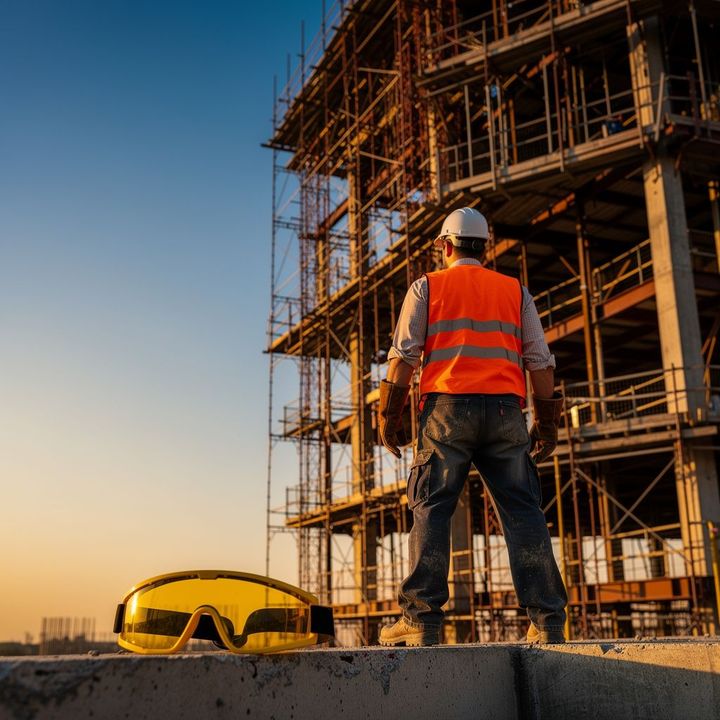
Ultimate Guide to Construction Safety Equipment
Learn essential construction safety equipment requirements, types, and best practices to protect workers on job sites and ensure compliance with safety standards.
Construction sites present numerous hazards that can result in serious injuries or fatalities if proper safety measures are not implemented. Construction safety equipment serves as the first line of defense against these workplace dangers, protecting workers from falls, impacts, chemical exposure, and other occupational hazards. Whether you're managing a small residential project or overseeing a large commercial development, understanding and implementing proper safety equipment is essential for protecting your workforce and maintaining regulatory compliance.
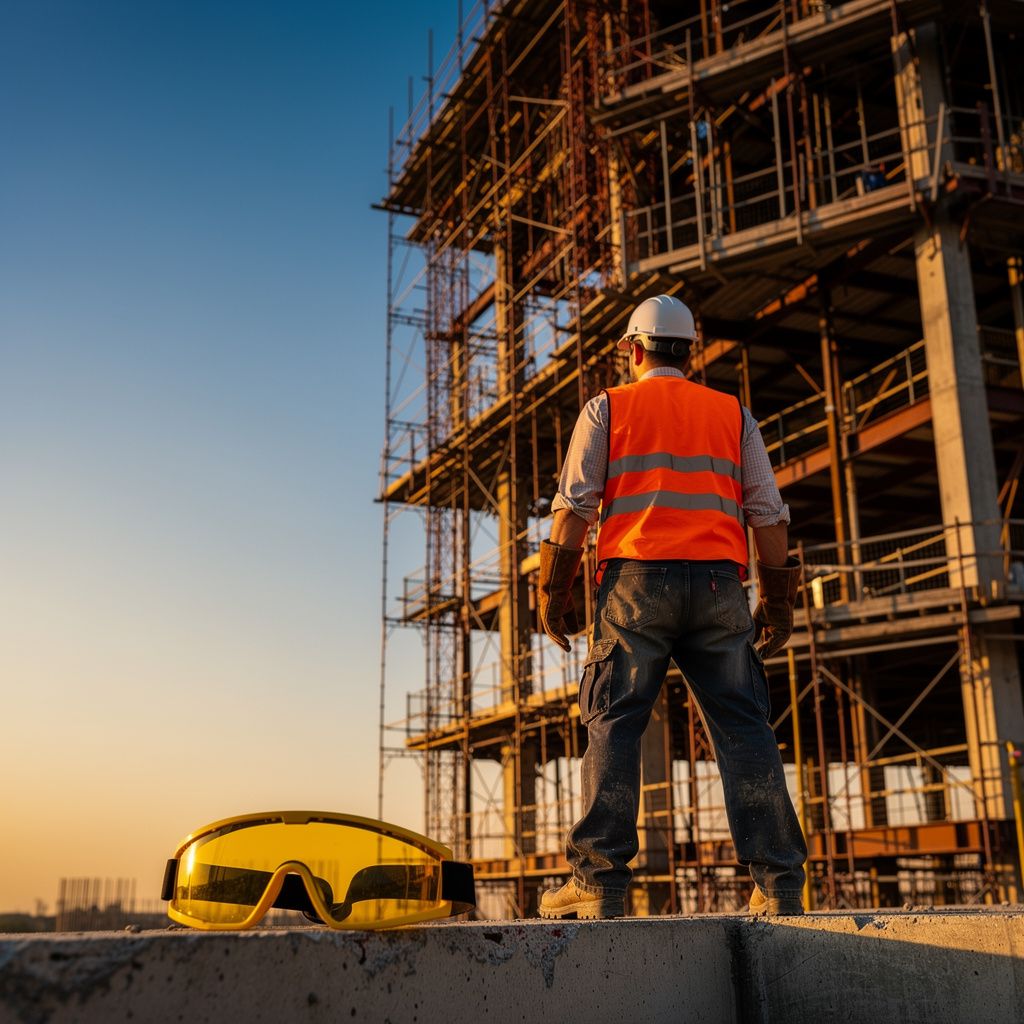
Understanding Construction Safety Equipment and Its Importance
Construction safety equipment encompasses all protective devices and systems designed to minimize worker exposure to hazards. This includes personal protective equipment (PPE), fall protection systems, respiratory protection, and site-specific safety devices. The construction industry faces unique challenges due to the variety of tasks, environments, and hazards present on job sites. Proper safety equipment implementation significantly reduces injury rates, improves worker morale, and demonstrates organizational commitment to employee welfare.
Benefits and Limitations of Safety Equipment
The primary benefit of construction safety equipment is injury prevention. When properly selected and used, safety gear reduces the severity of injuries and can prevent fatalities. Additional benefits include improved productivity, as workers feel more confident and protected, reduced workers' compensation claims and insurance costs, and enhanced company reputation and ability to secure contracts that require safety certifications.
However, safety equipment has limitations. Equipment effectiveness depends on proper fit, maintenance, and consistent use by workers. Some equipment can be uncomfortable or restrict movement, potentially leading to non-compliance. Additionally, no single piece of equipment addresses all hazards, requiring a comprehensive, multi-layered approach to workplace safety.
Types of Construction Safety Equipment
Construction safety equipment falls into several categories, each addressing specific hazards:
Head Protection
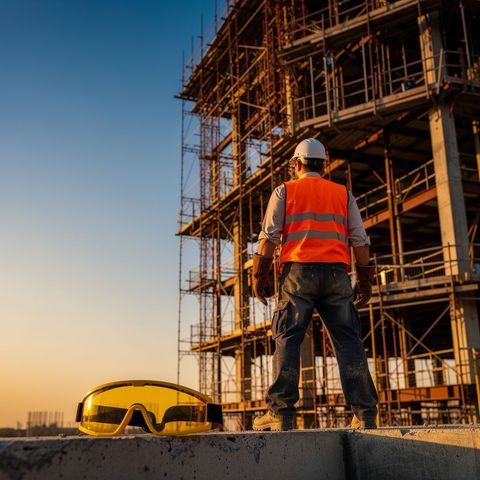
Hard hats protect workers from falling objects, bumping into structures, and electrical hazards. Modern hard hats come in various styles and materials, with some featuring integrated lighting or communication systems. Hard hat selection depends on the specific hazards present on your job site, including impact resistance, electrical protection requirements, and environmental conditions.
Eye and Face Protection
Safety glasses, goggles, and face shields protect against flying debris, dust, chemical splashes, and radiation. Different tasks require different types of eye protection. For example, welding operations require specialized welding helmets with proper shade ratings, while grinding operations require impact-resistant safety glasses.
Respiratory Protection
Respirators protect workers from inhaling harmful dust, fumes, and gases. Respirators range from simple dust masks for low-hazard environments to supplied-air respirators for high-hazard situations. Proper respirator selection requires hazard assessment and worker training on fit testing and maintenance.
Hand and Foot Protection
Work gloves protect against cuts, abrasions, chemical exposure, and thermal hazards. Safety footwear with steel toes, puncture-resistant soles, and slip-resistant treads protects feet from crushing injuries and puncture wounds. Glove and footwear selection should match the specific tasks and hazards workers encounter.
Body Protection
High-visibility clothing ensures workers are visible to equipment operators and other personnel. Safety vests, coveralls, and specialized clothing protect against chemical splashes, thermal hazards, and weather exposure. Reflective elements on clothing improve visibility in low-light conditions.
Fall Protection Systems
Fall protection is critical on construction sites where workers operate at heights. Systems include harnesses, lanyards, anchor points, and safety nets. Proper installation, inspection, and training are essential for fall protection effectiveness.
Current Trends in Construction Safety Equipment
The construction industry continues to evolve with emerging safety technologies. Wearable technology, including smart helmets with built-in cameras and sensors, helps monitor worker location and environmental conditions. Augmented reality systems provide real-time hazard information and safety guidance. Improved materials technology creates lighter, more comfortable equipment that encourages consistent use. Additionally, there's growing emphasis on mental health and fatigue monitoring, recognizing that worker alertness directly impacts safety.
Key Features of Quality Safety Equipment
When evaluating construction safety equipment, consider these essential features:
- Compliance with relevant standards (ANSI, OSHA, ISO)
- Proper fit and sizing options for diverse workforces
- Durability and resistance to job site conditions
- Comfort and breathability to encourage consistent use
- Visibility and reflective properties where applicable
- Easy maintenance and replacement of components
- Clear labeling and usage instructions
- Compatibility with other equipment workers use
Leading Equipment Manufacturers and Standards
Major manufacturers in the construction safety equipment industry include companies specializing in PPE, fall protection systems, and specialized safety gear. These manufacturers work to meet stringent safety standards established by organizations like ANSI (American National Standards Institute) and OSHA (Occupational Safety and Health Administration). Understanding certifications and standards ensures you're selecting equipment that meets regulatory requirements and provides adequate protection for your specific job site hazards.
Selecting the Right Safety Equipment for Your Job Site
Proper equipment selection begins with comprehensive hazard assessment. Identify all potential hazards on your job site, including heights, electrical hazards, chemical exposure, noise levels, and temperature extremes. Once hazards are identified, select equipment that addresses each specific risk. Consider worker comfort and practicality, as uncomfortable equipment is often avoided. Ensure all equipment fits properly, as ill-fitting gear provides inadequate protection. Establish a system for regular inspection and replacement of damaged or worn equipment.
Equipment Selection Checklist
- Conduct thorough hazard assessment for your job site
- Identify all potential worker exposures and risks
- Select equipment rated for identified hazards
- Verify compliance with applicable standards
- Ensure proper sizing for all workers
- Plan for regular inspection and maintenance
- Establish replacement schedules for consumable items
- Provide worker training on proper use
- Document equipment inventory and maintenance
- Review and update selections as job site conditions change
Best Practices for Safety Equipment Implementation
Successful safety equipment programs require more than just providing gear. Establish clear policies requiring consistent use of appropriate equipment. Provide comprehensive training on proper selection, fitting, use, and maintenance of all safety equipment. Make equipment readily accessible and encourage workers to report damaged or uncomfortable gear. Conduct regular safety meetings to reinforce the importance of equipment use and discuss any incidents or near-misses. Lead by example, with management and supervisors consistently using required safety equipment. Create a culture where safety is valued and workers feel empowered to speak up about safety concerns.
Comparison of Common Safety Equipment Types
| Equipment Type | Primary Hazard Protection | Typical Lifespan | Maintenance Requirements |
|---|---|---|---|
| Hard Hat | Impact, falling objects | 2-5 years | Visual inspection, cleaning |
| Safety Glasses | Flying debris, dust | 1-3 years | Lens cleaning, replacement |
| Work Gloves | Cuts, abrasions, thermal | 6-12 months | Cleaning, replacement as worn |
| Safety Footwear | Crushing, puncture wounds | 12-24 months | Cleaning, sole inspection |
| Fall Protection Harness | Falls from height | 5 years | Inspection before each use |
| Respirator | Dust, fumes, gases | Varies by type | Fit testing, filter replacement |
Frequently Asked Questions About Construction Safety Equipment
What is the difference between ANSI and OSHA standards for safety equipment?
ANSI (American National Standards Institute) develops voluntary consensus standards for safety equipment specifications and performance. OSHA (Occupational Safety and Health Administration) enforces mandatory workplace safety regulations based on these standards. Equipment should meet ANSI standards and comply with OSHA requirements applicable to your industry and job site.
How often should construction safety equipment be replaced?
Replacement schedules vary by equipment type. Hard hats typically last 2-5 years, while gloves may need replacement every 6-12 months. Fall protection equipment requires inspection before each use and replacement if damaged. Always follow manufacturer recommendations and replace equipment immediately if it shows signs of damage or wear.
Can workers wear their own safety equipment instead of company-provided gear?
While some workers may prefer personal equipment, employers should establish standards ensuring all equipment meets safety requirements. Many companies provide equipment to ensure proper fit, maintenance, and compliance with standards. Personal equipment can supplement company-provided gear but should meet the same safety specifications.
What training is required for proper safety equipment use?
Training should cover hazard identification, equipment selection for specific hazards, proper fitting and adjustment, correct use during work tasks, maintenance and cleaning procedures, and inspection for damage. Fall protection equipment requires specialized training on anchor points, harness inspection, and rescue procedures. Training should be documented and refreshed periodically.
How can construction companies encourage consistent equipment use among workers?
Encourage consistent use by selecting comfortable, well-fitting equipment, providing training on proper use, enforcing clear policies with consistent consequences, recognizing and rewarding safety compliance, addressing discomfort or fit issues promptly, and creating a strong safety culture where workers understand the importance of protection.
What should be included in a safety equipment maintenance program?
A comprehensive maintenance program includes regular visual inspections, cleaning procedures appropriate for each equipment type, documented inspection records, prompt repair or replacement of damaged items, proper storage in clean, dry conditions, and tracking of equipment inventory and replacement schedules.
Conclusion
Construction safety equipment is fundamental to protecting workers and maintaining a safe job site. By understanding the types of equipment available, selecting gear appropriate for identified hazards, and implementing comprehensive safety programs, construction companies can significantly reduce workplace injuries and create a culture of safety. Proper equipment selection, training, maintenance, and consistent use demonstrate organizational commitment to worker protection and regulatory compliance. As construction methods and hazards evolve, staying informed about emerging safety technologies and best practices ensures your safety program remains effective and current. Investing in quality safety equipment and comprehensive safety programs protects your most valuable resource—your workers.