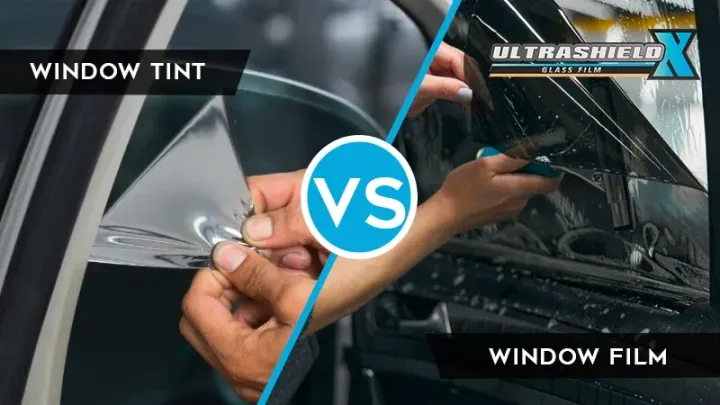
Window Tinting: Residential, Commercial, Auto, UV Protection & Replacement
Modern window solutions improve comfort, minimize glare, and protect interiors from sunlight and heat. They enhance energy efficiency by reducing cooling costs, preserving furniture and flooring, and adding aesthetic appeal. Suitable for homes, offices, and vehicles, these solutions provide privacy, safety, and long-term durability, making spaces more comfortable, visually appealing, and environmentally friendly.
Brief Overview
Applying a thin film to windows regulates light, reduces heat, enhances privacy, and protects interiors from fading or damage. It provides an efficient, reliable solution for homes, offices, and vehicles, improving comfort and energy efficiency.
Why Window Tinting Matters?
- Reduces heat inside homes, offices, and vehicles, lowering energy consumption and improving overall comfort during warm or sunny days.
- Protects furniture, flooring, and interiors from fading caused by harmful ultraviolet rays entering through windows or windshields.
- Enhances privacy by limiting visibility from outside, creating a secure and comfortable environment for occupants in various settings.
- Adds aesthetic appeal to buildings and vehicles, giving a modern, sleek, and professional look with various customizable designs.
How Window Tinting Works?
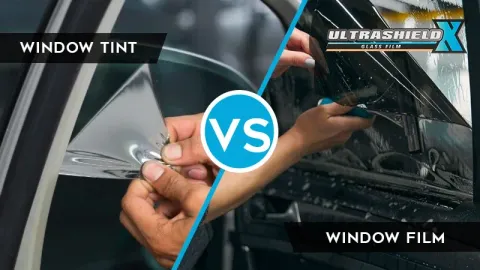
- Professionals clean glass, cut the film accurately, and apply adhesive with precision, avoiding bubbles and creases for long-lasting results.
- Installation uses squeegees, heat guns, and solution sprays to ensure smooth adhesion and uniform application on all window surfaces.
- Advanced films include layers that block UV rays, reduce heat, and enhance privacy while maintaining clarity and visibility inside.
- Professional techniques ensure films perform optimally over the years, preventing peeling, discoloration, or uneven adhesion in residential, commercial, and automotive settings.
Types of Window Tinting
- Dyed Film: Affordable option, reduces glare, provides moderate privacy, suitable for homes and basic vehicle tinting requirements effectively.
- Metalized Film: Reflects heat, offers durability, commonly used in commercial spaces and vehicles for long-term protection and efficiency.
- Ceramic Film: Blocks heat and UV rays efficiently without interfering with electronic signals, ideal for premium cars and offices.
- Hybrid Film: Combines dyed and metalized layers, balancing performance, glare reduction, and appearance, widely used in commercial buildings.
- Safety & Security Film: Thick, shatter-resistant layer protects against break-ins or accidents, enhancing safety in commercial and residential applications.
Benefits of Window Tinting
- Reduces cooling costs and energy consumption by lowering heat gain in homes, offices, and vehicles during hot seasons effectively.
- Minimizes glare on screens, reduces eye strain, and improves indoor comfort in workplaces, homes, and automotive environments reliably.
- Protects occupants and interior materials from harmful UV rays that can damage skin, furniture, flooring, and vehicle interiors.
- Enhances property and vehicle appearance, adding a premium look while maintaining functionality, privacy, and comfort for long-term use.
- Increases the durability of glass and interior surfaces, reducing maintenance and repair costs associated with sun damage or accidents efficiently.
Residential vs. Commercial Applications
- Residential: Window tinting focuses on privacy, heat reduction, UV protection, and improving home aesthetics, enhancing comfort for occupants.
- Commercial: Emphasizes energy efficiency, occupant comfort, corporate appearance, and security, often installed in offices, retail spaces, and high-rises.
- Decision Factors: Film type, installation quality, and budget influence the choice of residential or commercial window tinting projects effectively.
- Maintenance Needs: Regular cleaning and inspection ensure long-term performance for both residential and commercial window film installations reliably.
Uses and Applications
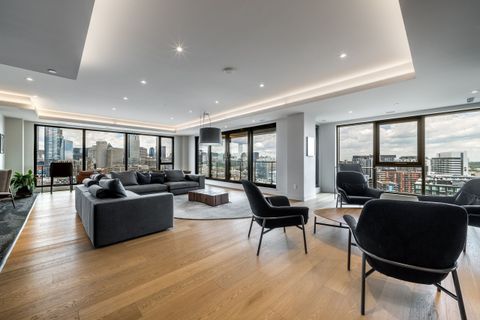
- Residential Window Tinting: Enhances comfort, reduces glare, and protects furniture while providing aesthetic appeal in homes across all rooms.
- Commercial Window Tinting Services: Reduce energy bills, ensure comfort for employees and clients, and add a professional corporate appearance.
- Professional Auto Window Tinting: Offers heat reduction, privacy, and UV protection for cars, trucks, and other personal or commercial vehicles.
- UV Protection Window Film: Can be applied to homes, offices, or vehicles to block harmful ultraviolet rays and prevent fading.
- Window Tint Removal & Replacement: Removes old or damaged film professionally, allowing installation of new films for better performance and aesthetics.
Tailored Solutions for Different Window Needs
- Energy and Comfort: Homes, offices, and vehicles gain improved comfort through commercial window tinting services and professional installations that reduce heat, glare, and energy use.
- Protection: High-quality films provide UV protection for window film, preventing fading of furniture, flooring, and automotive interiors. Window tint removal and replacement restores efficiency when old films degrade.
- Costs and Quality: Residential projects vary in residential window tinting cost, typically $5–$12 per square foot. Commercial projects average $8–$15, and professional auto window tinting ranges $100–$500.
- Professional Application: Experts ensure smooth installation for homes, offices, and vehicles. Proper application enhances comfort, privacy, longevity, and legal compliance while maintaining aesthetics.
Top Global Companies
- 3M: Leading provider of automotive, residential, and commercial window films, offering exceptional quality, durability, and reliable global service support for varied applications.
- LLumar: Offers innovative window films delivering superior UV protection, heat reduction, and professional-grade solutions for residential, commercial, and automotive installations worldwide efficiently.
- Madico: Specializes in energy-efficient, security-enhancing, and decorative films, suitable for homes, offices, and automotive applications across diverse markets reliably.
- SunTek: Known for durable films that reduce heat, minimize glare, and enhance aesthetics for both vehicles and commercial or residential buildings effectively.
- Huper Optik: Ceramic-based films provide excellent heat rejection, UV protection, and visibility, ideal for commercial projects and premium vehicle window installations.
Cost Considerations
- Residential Window Tinting Cost: Typically $5–$12 per square foot, depending on film quality, installation complexity, and type of glass.
- Commercial Window Tinting: Costs range from $8–$15 per square foot, depending on building size, film type, and installation difficulty.
- Auto Window Tinting: Prices vary from $100–$500, depending on vehicle size, film type, and professional installation quality.
- Replacement Costs: Removing old films and applying new ones adds to total costs, especially with high-end films or complex installations.
How to Choose the Right Window Tint?
- Identify Needs: Consider heat reduction, UV protection, glare control, privacy, or decorative requirements before selecting a film.
- Check Quality: Choose reputable brands offering certified films with a warranty for long-lasting residential, commercial, or automotive performance.
- Professional Installation: Experienced installers ensure bubble-free, smooth adhesion and optimal long-term performance of the window films efficiently.
- Legal Compliance: Verify local regulations, particularly for auto films, to avoid legal issues or fines due to darkness levels.
- Budget Consideration: Balance upfront costs with long-term savings from energy efficiency, durability, and reduced maintenance requirements effectively.
Tips for Maintaining Window Tint
- Use soft cloths and non-abrasive cleaning solutions to prevent scratches or peeling on residential, commercial, or automotive window films.
- Avoid applying stickers or decals to films as they can damage the adhesive and reduce lifespan, especially on cars or glass surfaces.
- Inspect films periodically for bubbles, peeling, or damage, and repair issues promptly to maintain protection and appearance.
- Professional maintenance services help extend film life, ensure performance, and preserve aesthetics in both residential and commercial installations.
Modern Trends in Window Tinting
- Smart Films: Electronically adjustable tint levels provide customizable light control and privacy for offices, homes, and vehicles effectively.
- Ceramic Coatings: High-performance films reject heat without reducing visibility, widely used in commercial buildings and premium automotive applications.
- Decorative Films: Frosted, colored, or patterned films enhance aesthetics while maintaining functionality, commonly applied in offices and upscale homes.
- Eco-Friendly Films: Recyclable and sustainable materials reduce environmental impact while delivering high-performance heat and UV control.
- Automated Installation: Advanced tools reduce labor time and ensure precise, smooth, and long-lasting film applications efficiently.
Conclusion
Effective window solutions enhance comfort, minimize glare, and protect interiors while improving aesthetics and energy efficiency. Suitable for homes, offices, and vehicles, they provide long-lasting benefits, privacy, and protection, creating safer and more visually appealing environments.
FAQs
Q1: How long does window tinting last?
A: Professional films typically last 5–10 years, depending on exposure, quality, and proper maintenance across residential, commercial, or automotive settings.
Q2: Can I install window tint myself?
A: DIY installation is possible, but often results in bubbles or uneven application. Professional installation ensures longevity and optimal performance.
Q3: Does tinting reduce heating in winter?
A: Most films primarily reduce heat gain, providing UV protection; their effect on winter heating is minimal but may slightly insulate.
Q4: Is auto window tinting legal everywhere?
A: Regulations vary by state or country. Always confirm local laws regarding permissible darkness levels to avoid fines or penalties.
Q5: Can old window film be replaced?
A: Yes, professional removal and replacement allow installation of new films, restoring clarity, UV protection, and heat reduction performance