The Ultimate Guide to Automatic Bottle Fillers
Discover how automatic bottle fillers improve hydration access and sustainability. Learn about types, features, selection criteria, and best practices for implementation.
Automatic bottle fillers have become essential infrastructure in modern facilities, addressing the growing demand for convenient, sustainable hydration solutions. These innovative devices combine sensor technology with water dispensing systems to provide touchless, efficient water access. As environmental consciousness increases and health standards evolve, automatic bottle fillers offer a practical solution that reduces plastic waste while maintaining hygiene standards. This guide explores everything you need to know about automatic bottle fillers, from their fundamental operation to advanced selection strategies.
Understanding Automatic Bottle Fillers
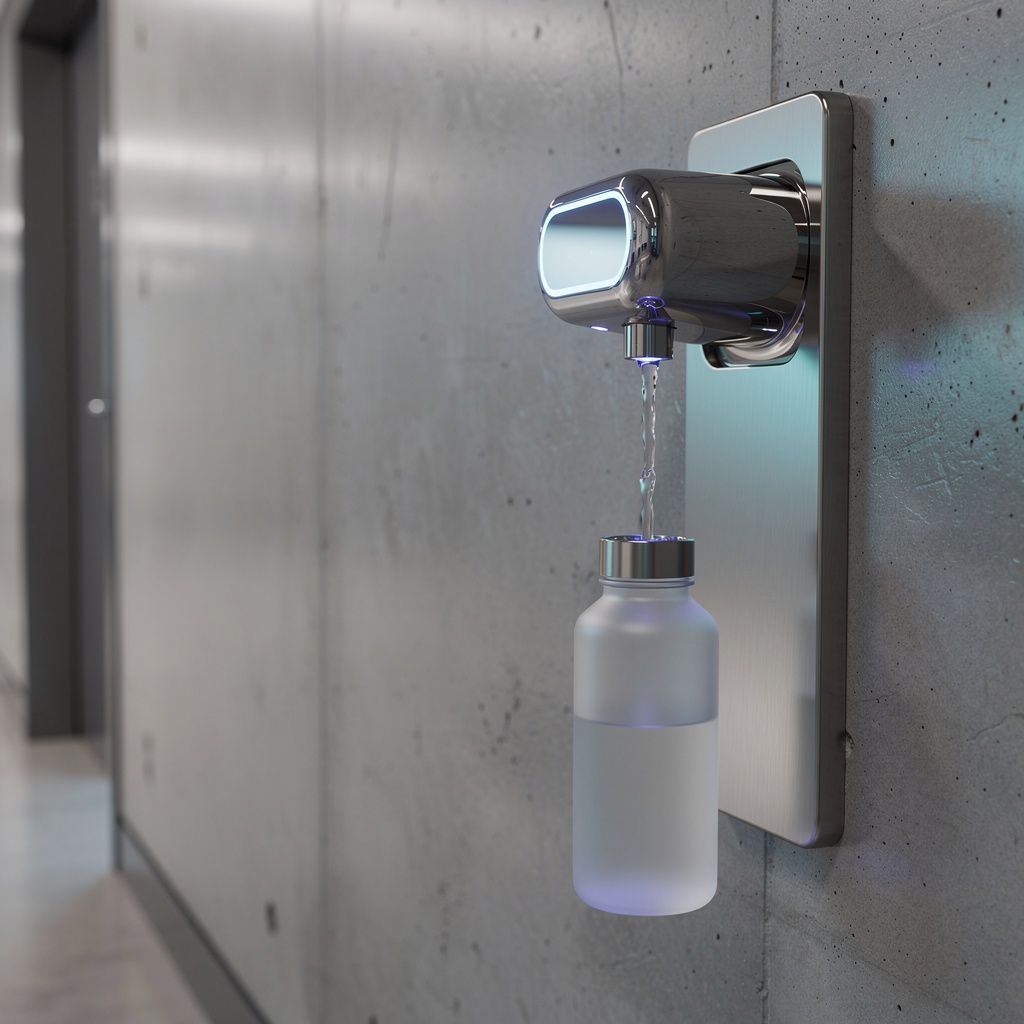
Automatic bottle fillers represent a convergence of convenience and sustainability. Unlike traditional water fountains, these devices specifically accommodate refillable bottles, making them ideal for individuals who prefer portable hydration solutions. The technology relies on motion sensors or pressure-activated mechanisms to dispense water without requiring hand contact, reducing contamination risks and promoting hygiene. Modern systems integrate with existing water infrastructure while adding minimal complexity to installation and maintenance processes.
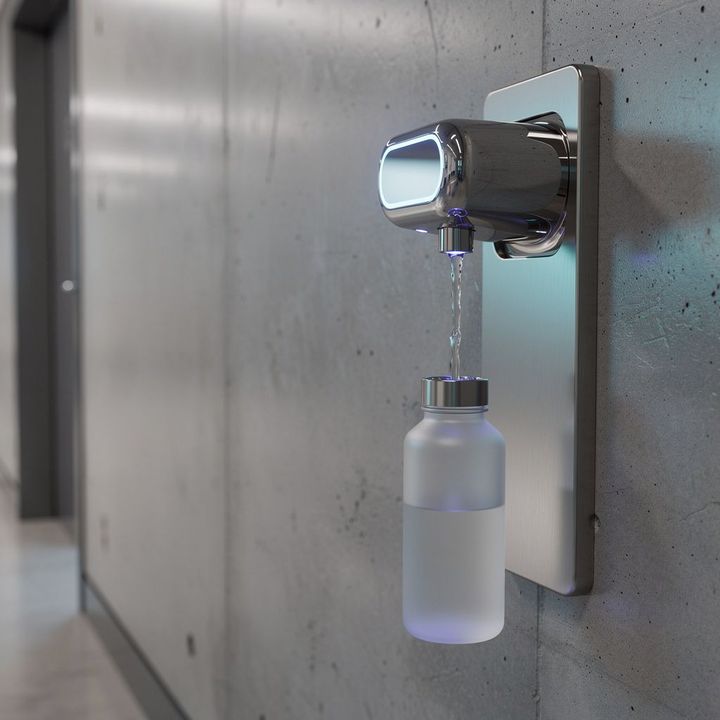
The fundamental design includes a sensing mechanism, water supply connection, drainage system, and dispensing nozzle. When a bottle is positioned beneath the nozzle, the sensor detects the object and activates water flow automatically. This touchless operation proves particularly valuable in high-traffic environments where hygiene concerns are paramount. The devices accommodate various bottle sizes and shapes, making them versatile solutions for diverse user needs.
Benefits and Limitations
Automatic bottle fillers deliver numerous advantages that extend beyond simple convenience. Environmental benefits rank among the most significant, as widespread adoption dramatically reduces single-use plastic consumption. A single automatic bottle filler can prevent thousands of plastic bottles from entering landfills annually. Cost savings emerge over time, particularly in facilities with high water consumption, as refillable bottles eliminate recurring purchasing expenses associated with bottled water.
Health and hygiene benefits prove equally important. Touchless operation minimizes bacteria transmission, addressing concerns about shared water fountain contamination. The devices encourage increased water consumption by making hydration more accessible and appealing, supporting wellness initiatives in schools, offices, and fitness facilities. Flexibility represents another advantage, as these systems work with any refillable bottle, allowing users to choose containers matching their preferences and needs.
However, automatic bottle fillers do have limitations worth considering. Initial installation costs can be substantial, particularly for facilities requiring multiple units or modifications to existing plumbing infrastructure. Some users may experience difficulty positioning bottles correctly, especially individuals with mobility challenges or children. Water quality depends entirely on the facility's existing water supply, and maintenance requirements include regular cleaning and occasional sensor calibration to ensure optimal performance.
Types of Automatic Bottle Fillers
The market offers several distinct categories of automatic bottle fillers, each designed for specific applications and environments. Understanding these variations helps identify the most suitable option for particular needs.
Standalone Bottle Fillers
Standalone units function independently, requiring only water supply and drainage connections. These systems work well in facilities where integrating with existing water fountains isn't practical or cost-effective. They offer flexibility in placement and can be installed in various locations throughout a facility. Standalone models range from simple, basic designs to advanced systems with temperature controls and filtration capabilities.
Integrated Fountain Systems
These hybrid systems combine traditional drinking fountains with bottle-filling capabilities. Users can drink directly from the fountain or fill bottles using the integrated dispenser. Integrated systems optimize space efficiency, making them ideal for facilities with limited square footage. They provide comprehensive hydration solutions while reducing the number of separate installations required.
Wall-Mounted Fillers
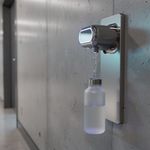
Compact wall-mounted designs save floor space while providing convenient access. These units work particularly well in corridors, entryways, and transition areas where floor-mounted systems might create obstacles. Wall-mounted options accommodate various aesthetic preferences and facility designs, from contemporary minimalist styles to traditional institutional appearances.
Outdoor and Weatherproof Models
Specialized outdoor versions withstand environmental exposure, temperature fluctuations, and weather conditions. These durable systems serve parks, sports facilities, hiking areas, and other outdoor venues. Weatherproof construction ensures reliable operation year-round, even in challenging climates.
Current Market Trends
The automatic bottle filler industry continues evolving rapidly, driven by environmental awareness and technological advancement. Sustainability remains the primary trend, with organizations increasingly prioritizing water access solutions that reduce plastic waste. Educational institutions lead adoption rates, recognizing both environmental and health benefits for student populations.
Smart technology integration represents an emerging trend, with newer models incorporating connectivity features that enable monitoring, maintenance alerts, and usage data collection. Water filtration and purification systems are becoming standard features, addressing concerns about water quality and taste. Temperature control options, including chilled water dispensing, appeal to users seeking enhanced comfort and functionality.
Design innovation focuses on accessibility and user experience. Manufacturers are developing systems that accommodate users of varying heights and mobility levels, ensuring inclusive access. Aesthetic improvements make these devices blend seamlessly with modern facility designs rather than appearing as utilitarian additions.
Key Features to Evaluate
When examining automatic bottle fillers, several features merit careful consideration. Sensor sensitivity determines how quickly the device activates and how reliably it responds to bottle placement. High-quality sensors reduce false activations while ensuring consistent performance. Water flow rate affects filling speed, with faster rates improving user satisfaction during peak usage periods.
Drainage capacity must match typical usage patterns to prevent overflow and water accumulation. Durable construction materials resist corrosion and wear, extending equipment lifespan. Filtration systems, when included, should effectively remove sediment and improve taste. Temperature control capabilities, if desired, require verification that cooling systems maintain consistent temperatures throughout peak usage.
Accessibility features ensure the device serves diverse user populations. Adjustable nozzle heights accommodate wheelchair users and children. Visual and auditory feedback helps users confirm successful activation. Maintenance accessibility allows technicians to perform cleaning and repairs without extensive disassembly.
Comparison of Popular Features
| Feature | Basic Models | Standard Models | Premium Models |
|---|---|---|---|
| Sensor Type | Basic motion | Advanced motion | Multi-sensor hybrid |
| Water Filtration | None | Sediment filter | Multi-stage filtration |
| Temperature Control | Ambient | Chilled option | Dual temperature |
| Smart Features | None | Optional | Standard |
| Accessibility | Standard height | Adjustable | Fully accessible |
| Installation Complexity | Simple | Moderate | Complex |
Selection Criteria and Best Practices
Choosing the right automatic bottle filler requires evaluating facility-specific needs and constraints. Begin by assessing expected usage volume, which determines required water flow rates and drainage capacity. Consider facility layout and identify optimal placement locations that maximize accessibility while minimizing plumbing modifications.
Budget considerations should encompass both initial installation costs and long-term maintenance expenses. Evaluate warranty coverage and manufacturer support availability. Environmental goals and sustainability priorities influence feature selection, particularly regarding filtration and water quality enhancements.
Installation planning should address plumbing requirements, electrical connections if applicable, and drainage solutions. Professional installation ensures proper setup and optimal performance. Post-installation training helps staff understand maintenance requirements and troubleshooting procedures.
Maintenance and Care Guidelines
Regular maintenance ensures automatic bottle fillers operate reliably and safely. Daily cleaning of the nozzle and surrounding surfaces removes debris and prevents bacterial growth. Weekly flushing of the water lines maintains water quality and system hygiene. Monthly sensor calibration and testing confirm proper activation and water flow.
Quarterly deep cleaning addresses mineral buildup and internal deposits, particularly in areas with hard water. Annual professional maintenance should include comprehensive system inspection, filter replacement when applicable, and performance verification. Proper maintenance extends equipment lifespan and ensures consistent user satisfaction.
Frequently Asked Questions
How much water does a typical automatic bottle filler dispense?
Most automatic bottle fillers dispense between 0.5 and 1.5 gallons per minute, depending on model specifications and water pressure. This flow rate accommodates standard bottle sizes within 30 to 60 seconds, providing reasonable filling speed without excessive water waste.
What maintenance do automatic bottle fillers require?
Regular maintenance includes daily nozzle cleaning, weekly line flushing, monthly sensor calibration, and quarterly deep cleaning. Annual professional servicing ensures optimal performance. Specific requirements depend on local water quality and facility usage patterns.
Can automatic bottle fillers be installed outdoors?
Yes, specialized weatherproof models are designed for outdoor installation. These units withstand temperature fluctuations, moisture exposure, and environmental stress. Proper drainage and protection from direct precipitation ensure reliable year-round operation.
How do automatic bottle fillers improve sustainability?
By enabling convenient refilling of reusable bottles, these devices dramatically reduce single-use plastic consumption. A facility with one automatic filler can prevent thousands of plastic bottles from entering landfills annually, contributing significantly to environmental conservation efforts.
Are automatic bottle fillers accessible for all users?
Modern accessible models feature adjustable nozzle heights, appropriate spacing for wheelchair access, and clear activation indicators. However, basic models may not accommodate all users. When selecting systems, prioritize accessibility features to ensure inclusive access for diverse populations.
What is the typical lifespan of an automatic bottle filler?
Quality systems typically operate reliably for 7 to 10 years with proper maintenance. Lifespan varies based on usage intensity, water quality, maintenance practices, and component quality. Regular servicing extends equipment life and maintains performance standards.
Conclusion
Automatic bottle fillers represent a practical, sustainable solution for modern hydration needs. These devices combine convenience, hygiene, and environmental responsibility, making them valuable additions to schools, workplaces, fitness facilities, and public spaces. Understanding the available types, key features, and selection criteria enables informed decision-making that aligns with specific facility needs and organizational goals. By implementing automatic bottle fillers and maintaining them properly, facilities can enhance user satisfaction, reduce environmental impact, and support health-conscious hydration practices. As technology continues advancing and environmental awareness grows, automatic bottle fillers will increasingly become standard infrastructure in facilities worldwide.