Ultimate Guide to Food Processing Lines: Best Practices
Learn how modern food processing lines improve efficiency, safety, and product quality. Explore equipment types, automation trends, and key selection criteria for your facility.
Food processing lines form the backbone of modern food manufacturing, transforming raw ingredients into consumer-ready products with precision and consistency. These integrated systems combine multiple specialized machines, automation technology, and quality control measures to handle high-volume production while maintaining strict safety and hygiene standards. Whether you operate a beverage bottling facility, meat processing plant, bakery, or dairy operation, understanding food processing lines is essential for optimizing production efficiency and meeting regulatory requirements.
Understanding Food Processing Lines
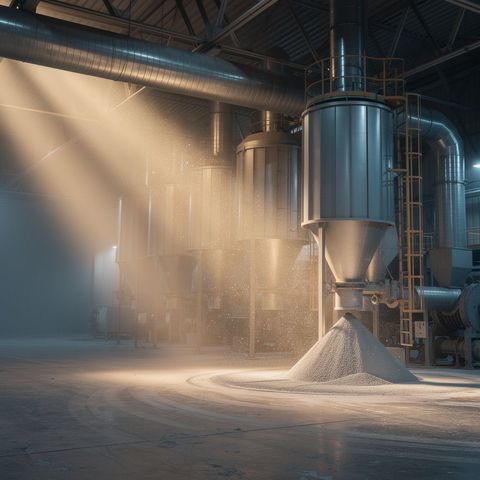
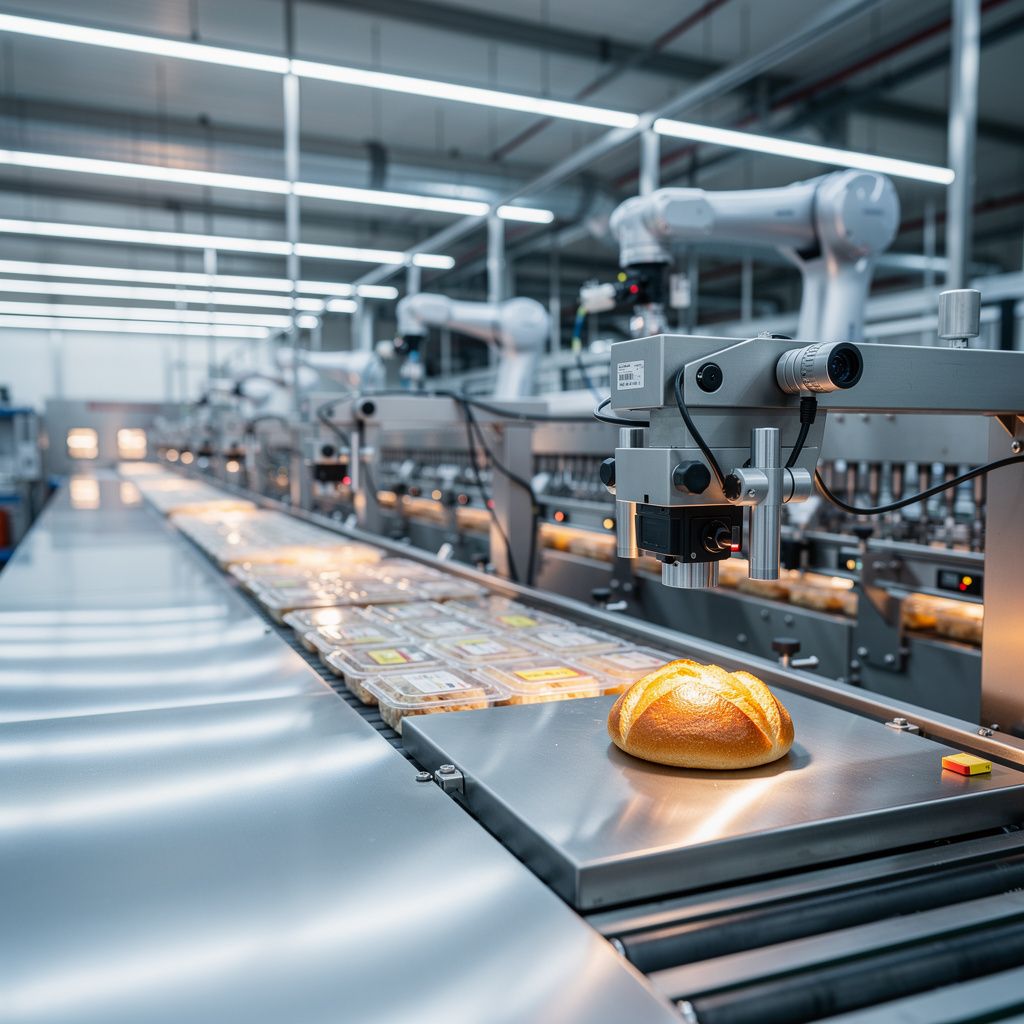
A food processing line is an organized sequence of machines and stations designed to move products through various stages of production. Each component performs a specific function, from raw material preparation through final packaging. Modern lines operate with minimal manual intervention, relying on conveyor systems, sensors, and automated controls to maintain consistent output and quality standards. The design and complexity of a processing line depend on the specific product type, production volume, and regulatory requirements of the facility.
Processing lines handle diverse food categories including beverages, dairy products, meat and poultry, baked goods, snacks, and prepared meals. Each category requires specialized equipment and sanitation protocols tailored to its unique characteristics. Understanding these distinctions helps facility managers select appropriate equipment and establish effective operational procedures.
Benefits and Limitations of Processing Lines
Food processing lines deliver substantial operational advantages to manufacturers. Automation reduces labor costs while improving consistency and product quality. High-speed equipment processes large volumes efficiently, enabling economies of scale. Integrated systems minimize product handling, reducing contamination risk and waste. Automated quality control systems monitor products throughout production, ensuring compliance with safety standards and customer specifications.
However, processing lines present certain limitations. Initial capital investment is substantial, requiring careful financial planning. Equipment requires regular maintenance and skilled technical support. Lines designed for specific products may lack flexibility for product changes or diversification. Downtime for maintenance or repairs directly impacts production capacity and revenue. Facility space requirements are significant, and integration with existing systems can be complex.
Types of Food Processing Equipment
Preparation Equipment
Preparation equipment handles raw material processing before main production begins. Washing systems remove dirt and contaminants from produce and raw ingredients. Sorting equipment uses optical sensors and mechanical systems to grade products by size, color, and quality. Cutting and slicing machines portion ingredients to precise specifications. Peeling equipment removes skins from fruits and vegetables efficiently. These systems establish the foundation for subsequent processing stages.
Processing and Transformation Equipment
Core processing equipment transforms prepared ingredients into intermediate or final products. Mixing systems blend ingredients uniformly, critical for consistent product quality. Cooking equipment including kettles, ovens, and thermal processors apply heat for cooking, sterilization, or pasteurization. Grinding and milling equipment reduces particle size for specific applications. Fermentation vessels enable controlled biological processes for products like yogurt and cheese. Extraction systems separate desired components from raw materials.
Packaging and Labeling Systems
Packaging equipment protects products and prepares them for distribution. Filling machines dispense precise product quantities into containers. Sealing equipment creates secure closures preventing contamination and leakage. Labeling systems apply product information, branding, and regulatory details. Case packing equipment groups individual packages into larger shipping containers. These systems operate at high speeds, processing hundreds of units per minute.
Current Trends in Food Processing Technology
Industry trends reflect evolving consumer preferences, regulatory requirements, and technological capabilities. Automation continues advancing with artificial intelligence and machine learning optimizing production parameters in real-time. Industry 4.0 principles enable connectivity between equipment, allowing remote monitoring and predictive maintenance. Sustainability initiatives drive development of energy-efficient equipment and waste reduction systems. Flexible processing lines accommodate multiple products with minimal changeover time, supporting consumer demand for product variety.
Clean-in-place (CIP) systems automate equipment cleaning without disassembly, improving sanitation efficiency. Modular line designs enable facilities to scale production capacity incrementally. Traceability systems track products throughout processing, supporting food safety compliance and recall management. Advanced sensors monitor temperature, moisture, and other critical parameters, enabling precise process control.
Essential Features of Modern Processing Lines
Sanitation and Food Safety
Food safety represents the paramount concern in processing line design. Equipment surfaces must be smooth and corrosion-resistant, preventing bacterial harboring. Accessible design facilitates thorough cleaning and inspection. Food-grade materials throughout contact surfaces comply with regulatory standards. Separation between raw and processed product areas prevents cross-contamination. Temperature control systems maintain safe conditions throughout processing. Documentation systems record sanitation procedures and verification, supporting regulatory compliance.
Automation and Control Systems
Modern processing lines incorporate sophisticated control systems managing equipment operation and product flow. Programmable logic controllers (PLCs) coordinate machinery sequences and timing. Human-machine interfaces provide operators with real-time production data and system status. Sensors monitor critical parameters including temperature, pressure, weight, and product position. Automatic shutdown systems activate when parameters exceed acceptable ranges, preventing product quality issues and safety hazards.
Efficiency and Throughput
Processing line efficiency directly impacts profitability and competitiveness. High-speed equipment processes products rapidly while maintaining quality standards. Minimal product handling reduces waste and contamination risk. Integrated systems eliminate bottlenecks that slow overall throughput. Downtime minimization through preventive maintenance maximizes productive capacity. Energy-efficient equipment reduces operating costs while supporting sustainability objectives.
Comparison of Processing Line Approaches
| Aspect | Integrated Lines | Modular Systems | Manual Operations |
|---|---|---|---|
| Production Capacity | Very High (1000+ units/hour) | Medium-High (500-1000 units/hour) | Low (50-200 units/hour) |
| Initial Investment | Very High ($500K-$5M+) | Medium ($100K-$500K) | Low ($10K-$50K) |
| Flexibility | Low (product-specific) | Medium (reconfigurable) | High (adaptable) |
| Labor Requirements | Low (1-3 operators) | Low-Medium (2-5 operators) | High (10-20+ workers) |
| Product Quality Consistency | Excellent | Very Good | Good |
| Maintenance Complexity | High (specialized technicians) | Medium (trained technicians) | Low (basic repairs) |
Key Manufacturers and Industry Leaders
The food processing equipment industry includes established manufacturers offering comprehensive solutions. Major equipment suppliers provide integrated systems, individual components, and technical support services. These companies invest heavily in research and development, continuously advancing automation capabilities and efficiency. Industry associations and trade shows facilitate networking and knowledge sharing among processors, equipment manufacturers, and technology providers.
Equipment selection should prioritize manufacturers with proven track records in your specific product category, strong technical support capabilities, and commitment to continuous improvement. References from similar operations provide valuable insights into equipment performance and manufacturer responsiveness.
Selecting the Right Processing Line for Your Facility
Assessment Checklist
- Define target production capacity and growth projections
- Identify product types and specifications requiring processing
- Evaluate available facility space and utility infrastructure
- Assess existing equipment compatibility and integration requirements
- Determine budget parameters and financing options
- Review regulatory requirements and food safety standards
- Analyze labor availability and training capabilities
- Consider maintenance requirements and technical support access
- Evaluate flexibility for future product changes or diversification
- Assess energy efficiency and sustainability objectives
Evaluation Criteria
Effective line selection requires comprehensive evaluation of multiple factors. Production capacity must align with current demand and projected growth. Equipment should accommodate your specific product types without requiring extensive modifications. Sanitation design must meet applicable food safety regulations and industry standards. Automation capabilities should match your facility's technical expertise and labor availability. Total cost of ownership, including maintenance and operation, determines long-term financial viability. Manufacturer support and parts availability ensure reliable operation and minimize downtime.
Best Practices for Processing Line Operation
Maintenance and Reliability
Preventive maintenance programs extend equipment life and minimize unexpected downtime. Regular inspections identify wear and potential failures before they impact production. Scheduled cleaning maintains sanitation standards and prevents product contamination. Operator training ensures proper equipment use and early problem detection. Spare parts inventory enables rapid repairs when issues arise. Documentation systems track maintenance activities and equipment performance trends.
Quality Control Integration
Effective quality control systems operate continuously throughout processing. In-line sensors monitor critical parameters in real-time, detecting deviations immediately. Statistical process control methods identify trends before they result in out-of-specification products. Product testing at various stages verifies quality and safety. Documentation systems create records supporting traceability and regulatory compliance. Staff training ensures consistent quality procedures and proper response to detected issues.
Staff Training and Development
Skilled operators and technicians are essential for optimal processing line performance. Comprehensive training programs cover equipment operation, safety procedures, sanitation protocols, and quality standards. Ongoing education keeps staff current with equipment updates and industry best practices. Clear communication between shifts ensures consistency and prevents operational gaps. Performance monitoring and feedback support continuous improvement in operational efficiency.
Frequently Asked Questions
How long does it take to install a food processing line?
Installation timelines vary significantly based on system complexity, facility preparation, and equipment customization. Simple modular systems may require 4-8 weeks from delivery to full operation. Integrated lines typically require 3-6 months including site preparation, equipment installation, testing, and staff training. Custom systems designed for specific products may require 6-12 months or longer. Facility readiness, including utility infrastructure and space preparation, directly impacts installation duration.
What maintenance schedule should processing lines follow?
Maintenance schedules depend on equipment type, production volume, and product characteristics. Daily cleaning and sanitation are essential for food safety. Weekly inspections identify wear and potential issues. Monthly maintenance includes lubrication, adjustment, and component replacement as needed. Quarterly deep cleaning and major component inspection prevent unexpected failures. Annual comprehensive reviews and overhauls ensure optimal performance. Manufacturer recommendations and industry standards guide specific maintenance protocols.
Can processing lines handle multiple product types?
Flexibility varies significantly among processing line designs. Integrated, high-speed lines typically are optimized for single products with minimal changeover capability. Modular systems offer greater flexibility, accommodating different products through equipment reconfiguration and parameter adjustments. Some specialized equipment can process multiple similar products with minimal setup changes. Complete product changes may require significant cleaning, adjustment, or equipment replacement. Facility planning should consider product diversification needs when selecting line configurations.
What are the primary food safety standards for processing lines?
Food safety regulations vary by country and product type. Hazard Analysis and Critical Control Points (HACCP) principles guide identification and control of food safety risks. Good Manufacturing Practice (GMP) standards establish sanitation, documentation, and operational requirements. Specific regulations apply to products including meat, dairy, seafood, and produce. Equipment design standards address material compatibility, cleanability, and contamination prevention. Regular audits and inspections verify compliance with applicable standards.
How do processing lines improve product quality?
Automated processing lines deliver consistent quality through precise control of critical parameters. Standardized procedures eliminate variation from manual operations. Real-time monitoring detects and corrects deviations immediately. Automated sorting and grading ensure consistent product specifications. Precise timing and temperature control optimize product characteristics. Reduced product handling minimizes damage and contamination. Documentation systems enable continuous improvement through performance analysis and trend identification.
What is the expected lifespan of food processing equipment?
Equipment lifespan varies based on type, maintenance, and operating conditions. Well-maintained equipment typically operates effectively for 10-15 years. Some components require replacement every 3-5 years due to wear. Technological advances may make equipment obsolete before physical failure occurs. Corrosion in harsh environments can shorten lifespan. Proper maintenance, cleaning, and operation significantly extend equipment life and maintain performance quality.
Conclusion
Food processing lines represent significant investments that drive operational efficiency, product quality, and regulatory compliance in food manufacturing. Understanding equipment types, capabilities, and selection criteria enables informed decision-making that aligns with facility objectives and budget constraints. Modern processing lines incorporate advanced automation, quality control, and sanitation features supporting competitive advantage in demanding markets. Successful implementation requires careful planning, comprehensive staff training, and commitment to preventive maintenance and continuous improvement. By evaluating your specific production requirements and selecting appropriate equipment, you can establish processing capabilities that support growth, maintain quality standards, and meet evolving consumer and regulatory expectations. Ongoing engagement with equipment manufacturers, industry associations, and peer networks supports optimization of processing operations and adoption of emerging technologies that enhance performance and sustainability.