The Ultimate Industrial Boilers Guide
Learn about industrial boilers, their types, benefits, and key features. Explore best practices for selection, maintenance, and operation in modern manufacturing.
Industrial boilers form the backbone of countless manufacturing operations, power plants, and large facilities worldwide. These sophisticated systems generate steam or hot water for heating, processing, and power generation. Understanding how industrial boilers work, their various types, and their operational characteristics is essential for facility managers, engineers, and decision-makers responsible for maintaining reliable heat and steam supply. This guide provides comprehensive insights into industrial boiler systems, helping you navigate selection, operation, and maintenance decisions.
What Are Industrial Boilers and How Do They Function
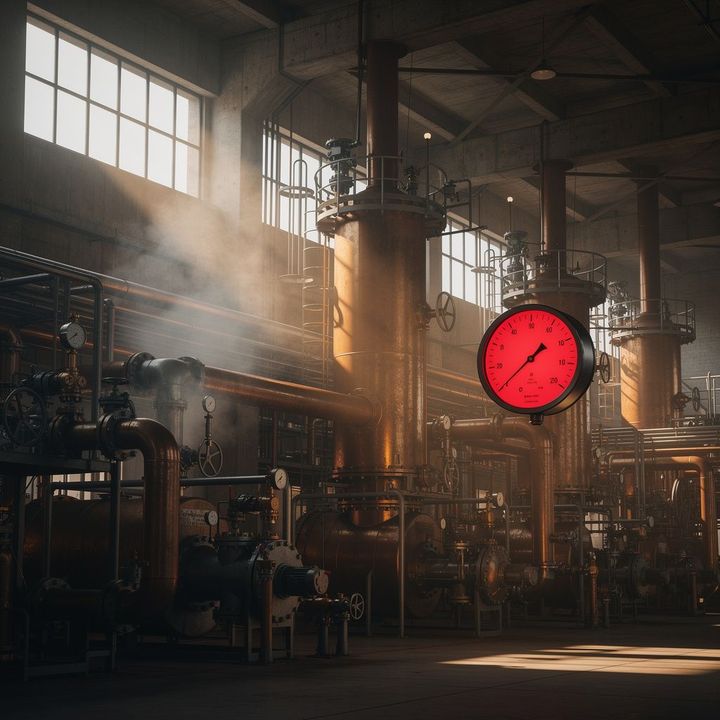
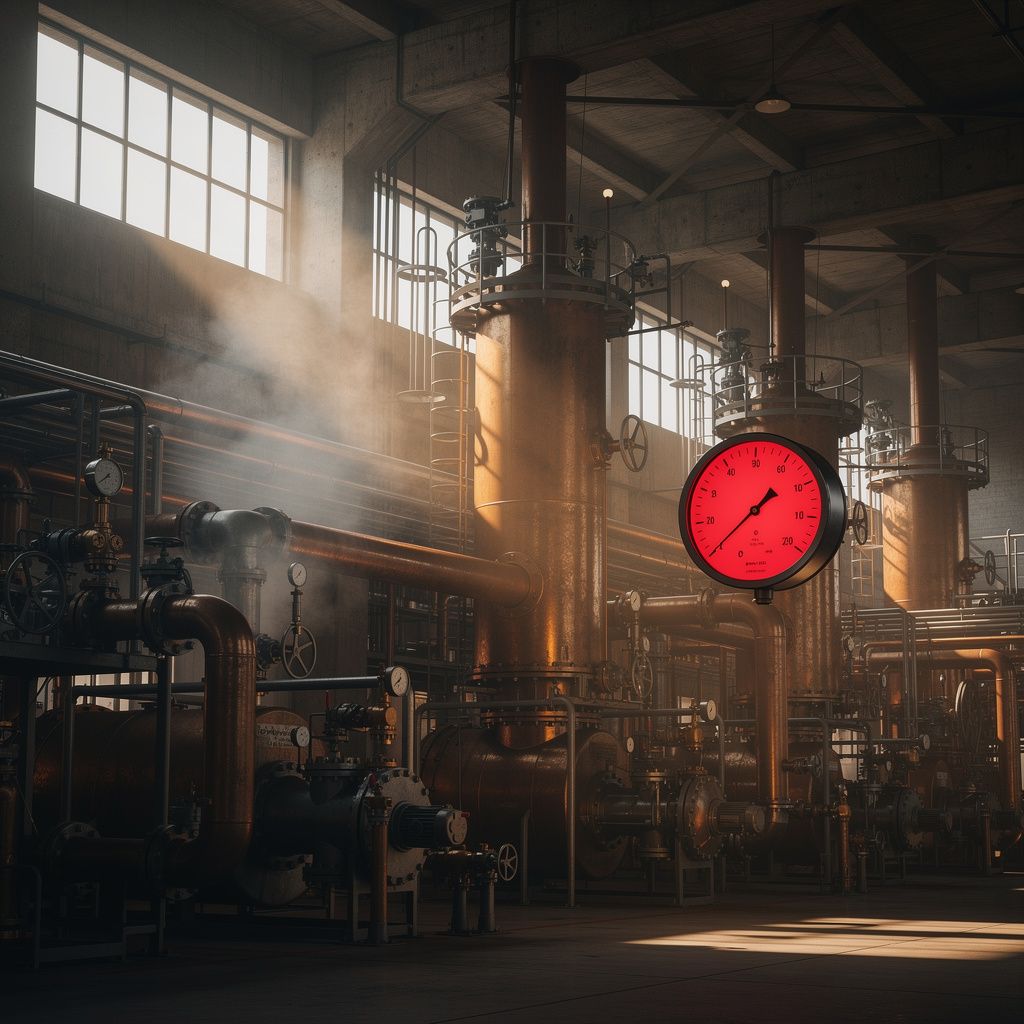
Industrial boilers are pressure vessels that heat water to generate steam or hot water for various applications. The basic principle involves burning fuel (coal, natural gas, oil, or biomass) in a combustion chamber, transferring the resulting heat to water, and converting it into steam. This steam then powers turbines, drives processes, or provides heating. The efficiency and reliability of these systems depend on proper design, installation, and maintenance.
Modern industrial boilers incorporate advanced control systems, safety mechanisms, and efficiency features. They operate under strict pressure and temperature specifications, requiring skilled operators and regular monitoring. The steam generated can reach temperatures exceeding 500 degrees Fahrenheit and pressures above 1,000 pounds per square inch.
Benefits and Limitations of Industrial Boiler Systems
Industrial boilers offer significant advantages for large-scale operations. They provide reliable, continuous heat supply essential for manufacturing processes, space heating, and power generation. The technology is mature and well-understood, with established maintenance protocols and replacement parts availability. Industrial boilers can achieve high efficiency ratings, converting 80-90% of fuel energy into usable heat.
However, industrial boilers also present limitations. Initial capital investment is substantial, requiring significant upfront costs for equipment, installation, and infrastructure. They require skilled operators, regular maintenance, and compliance with environmental regulations. Boiler systems generate emissions and require proper flue gas treatment. Safety considerations are paramount, as pressurized systems pose risks if not properly maintained and operated.
Types of Industrial Boilers
Industrial boilers come in several configurations, each suited to different applications and fuel sources:
- Fire-tube boilers: Combustion gases pass through tubes surrounded by water. These are common in smaller to medium-sized operations and are relatively simple to operate.
- Water-tube boilers: Water flows through tubes surrounded by combustion gases. These handle higher pressures and larger steam volumes, making them ideal for major industrial applications.
- Packaged boilers: Pre-assembled units with integrated controls, burners, and safety systems. These offer faster installation and standardized performance.
- Electric boilers: Use electrical resistance heating to generate steam or hot water. These are cleaner but require significant electrical infrastructure.
- Biomass boilers: Burn renewable fuel sources like wood chips, agricultural waste, or dedicated energy crops. These support sustainability goals and may offer economic advantages.
- Waste heat recovery boilers: Capture heat from industrial processes or exhaust streams, improving overall system efficiency.
Comparison of Industrial Boiler Types
| Boiler Type | Pressure Range | Efficiency | Capital Cost | Best Application |
|---|---|---|---|---|
| Fire-tube | Low to Medium | 80-85% | Lower | Small facilities, heating |
| Water-tube | High | 85-90% | Higher | Large industrial plants |
| Packaged | Medium | 82-88% | Medium | Quick deployment, standard needs |
| Electric | Variable | 95%+ | Medium | Clean operations, small scale |
| Biomass | Medium to High | 75-85% | Higher | Sustainable operations |
Current Trends in Industrial Boiler Technology
The industrial boiler sector is evolving to meet environmental, efficiency, and operational demands. Modern systems increasingly incorporate digital monitoring and automation, allowing remote operation and predictive maintenance. Advanced control systems optimize fuel consumption and reduce emissions. Manufacturers are developing hybrid systems that combine multiple fuel sources for flexibility and resilience.
Environmental regulations are driving innovation toward cleaner combustion technologies and lower emissions profiles. Combined heat and power (CHP) systems are gaining adoption, improving overall facility efficiency by utilizing waste heat. Integration with renewable energy sources and thermal storage systems represents another emerging trend, supporting decarbonization goals while maintaining reliable operations.
Essential Features and Components
Industrial boilers include several critical components that work together to ensure safe, efficient operation:
- Combustion chamber: Where fuel burns, generating heat
- Heat exchanger: Transfers heat from combustion gases to water
- Pressure vessel: Contains the water and steam under controlled pressure
- Burner system: Controls fuel input and combustion
- Safety valves: Prevent dangerous pressure buildup
- Control system: Monitors temperature, pressure, and water level
- Feedwater pump: Supplies water to maintain proper levels
- Blowdown system: Removes sediment and minerals to maintain water quality
Major Industrial Boiler Manufacturers and Providers
The industrial boiler market includes established manufacturers with decades of experience and newer companies bringing innovative technologies. Leading providers offer various boiler types, capacities, and fuel options. These manufacturers typically provide design consultation, installation support, training, and ongoing technical service. Selecting a reputable manufacturer ensures access to quality equipment, spare parts, technical expertise, and compliance with industry standards and regulations.
Selecting the Right Industrial Boiler System
Choosing an appropriate industrial boiler requires careful analysis of your facility's specific needs. Consider the required steam pressure and temperature, expected steam demand and usage patterns, available fuel sources and costs, space constraints and installation requirements, and environmental regulations applicable to your location. A thorough energy audit helps determine efficiency targets and potential cost savings. Consulting with boiler specialists and engineers ensures your selection aligns with operational requirements, budget constraints, and long-term facility goals.
Best Practices for Industrial Boiler Operation and Maintenance
Proper operation and maintenance extend boiler lifespan and ensure reliable performance. Establish regular inspection schedules, maintain detailed maintenance logs, train operators on proper procedures, monitor fuel quality and combustion efficiency, and conduct annual professional inspections. Water treatment is critical—proper chemical balance prevents corrosion and scaling. Blowdown procedures should follow manufacturer recommendations. Safety systems require regular testing to ensure they function correctly when needed.
Preventive maintenance proves far more cost-effective than emergency repairs. Schedule inspections before peak usage seasons, monitor performance trends to identify developing issues early, and replace worn components proactively. Keeping spare parts on hand for critical components minimizes downtime when repairs are needed.
Industrial Boiler Selection Checklist
- Determine required steam pressure and temperature specifications
- Calculate peak and average steam demand for your facility
- Identify available fuel sources and their relative costs
- Assess physical space available for installation
- Review applicable environmental and safety regulations
- Evaluate efficiency requirements and potential energy savings
- Consider future capacity needs and facility growth plans
- Research manufacturer reputation and service availability
- Obtain multiple quotes and compare specifications
- Plan for installation timeline and operational continuity
Frequently Asked Questions About Industrial Boilers
What is the typical lifespan of an industrial boiler? Well-maintained industrial boilers typically operate for 20-30 years or longer. Lifespan depends on water quality, maintenance practices, operating conditions, and fuel type. Regular inspections and preventive maintenance significantly extend equipment life.
How often should industrial boilers be inspected? Most jurisdictions require annual inspections by certified inspectors. Additionally, internal inspections every 3-5 years help identify corrosion, scaling, or other deterioration. Operators should perform daily visual checks and monitoring of key parameters.
What causes industrial boiler failures? Common causes include improper water treatment leading to corrosion or scaling, inadequate maintenance and inspection, operator error or insufficient training, manufacturing defects, and age-related wear. Proper maintenance and operation prevent most failures.
How can industrial boiler efficiency be improved? Efficiency improvements include optimizing combustion air supply, reducing excess air, improving insulation, implementing economizers to recover waste heat, upgrading to modern control systems, and maintaining proper water chemistry. Regular maintenance also supports efficiency.
What are the environmental considerations for industrial boilers? Industrial boilers produce emissions including nitrogen oxides, sulfur dioxide, and particulate matter. Modern systems include emission control equipment. Selecting cleaner fuels, improving efficiency, and considering renewable alternatives all reduce environmental impact.
Conclusion
Industrial boilers remain essential infrastructure for manufacturing, power generation, and large facility operations. Understanding their types, capabilities, limitations, and operational requirements enables facility managers and engineers to make informed decisions about selection, installation, and maintenance. Whether you operate an existing boiler system or plan to install new equipment, following best practices for selection, operation, and maintenance ensures reliable performance, operational safety, and cost-effectiveness. Staying informed about emerging technologies and efficiency improvements helps optimize your facility's heat and steam generation systems for years of dependable service.